5 Best DIY Nano Protein Skimmer Builds and Kits for Reef Tanks (2026)
Compare five nano protein skimmers for reef tanks, from DIY-friendly builds to plug-and-play units. See what suits your tank size, noise limits and budget.
 By Audrey Hayes
Updated November 20, 2026
 By Audrey Hayes
Updated November 2026
Shopping for a diy nano protein skimmer means balancing tank volume, pump noise, foam output and how much hands-on tuning you want to do. This list compares five nano skimmers that reef keepers commonly consider, judged on tank-size fit, pump type, ease of setup and the recurring complaints owners tend to report. Each pick is research-based, drawn from product listings, brand reputation and owner feedback patterns, not from personal testing.
At a glance
Our top picks at a glance
- 1TOP CHOICEBest overallIOAOI Nano Protein Skimmer for Saltwater Aquariums, DC Pinwheel Pump fView on Amazon
- 2
 TOP CHOICEBest for self-priming simplicityCoralife Biocube Protein Skimmer, Aquarium Skimmer | Nano protein skimView on Amazon
- 3
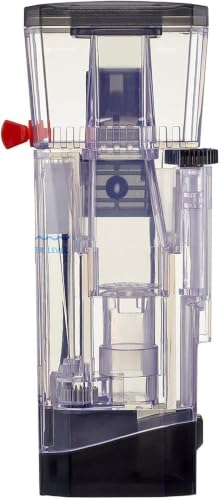 TOP CHOICEBest for small mixed reefsBubble Magus Mini Q Nano Protein Skimmer for Saltwater Aquariums, 2W UView on Amazon
- 4
 Best for compact cube tanksFiji Cube NSK-70 Nano Protein SkimmerView on Amazon
- 5
 Best for quiet operation in larger nanosAQQA Aquarium Protein Skimmer for Saltwater Fish Tank | Nano Surface SView on Amazon
Our Top Picks
Quick Comparison
| Product | Best for | Key feature |
|---|---|---|
| IOAOI Nano Protein Skimmer | Overall nano use | DC pinwheel pump |
| Coralife Biocube Protein Skimmer | Self-priming setup | Adjustable airflow valve |
| Bubble Magus Mini Q Nano Protein Skimmer | Small mixed reefs | USB-powered, compact body |
| Fiji Cube NSK-70 Nano Protein Skimmer | Compact cube tanks | Cube-friendly footprint |
| AQQA Aquarium Protein Skimmer | Quiet operation | Ultra-quiet pump design |
IOAOI Nano Protein Skimmer for Saltwater Aquariums, DC Pinwheel Pump for 20 Gals Fish Tank, Hang On, Internal
IOAOI Nano Protein Skimmer for Saltwater Aquariums, DC Pinwheel Pump for 20 Gals Fish Tank, Hang On, Internal
Best for: Overall nano use in roughly 20-gallon saltwater tanks.
A good starting point for hobbyists who want a hang-on or internal skimmer with a DC pump and a straightforward layout.
Pros:
- DC pinwheel pump suits low-flow nano setups
- Hang-on or internal mounting options
Cons:
- Owners often report needing to fine-tune the air and water level for steady foam
Coralife Biocube Protein Skimmer, Aquarium Skimmer | Nano protein skimmer for saltwater aquarium, self-priming pump, adjustable airflow valve, up to 32 gallons
Coralife Biocube Protein Skimmer, Aquarium Skimmer | Nano protein skimmer for saltwater aquarium, self-priming pump, adjustable airflow valve, up to 32 gallons
Best for: Self-priming simplicity on tanks up to about 32 gallons.
Suits keepers who want an adjustable airflow valve and a pump that restarts without much fuss after a power interruption.
Pros:
- Self-priming pump simplifies startup
- Adjustable airflow valve for foam control
Cons:
- Owners often report that foam output needs regular tuning as bioload changes
Bubble Magus Mini Q Nano Protein Skimmer for Saltwater Aquariums, 2W USB | Compact marine protein skimmer, best suited to 13.21 gal to 19.81 gal (50-75 L). Not for freshwater or tanks with glass lids.
Bubble Magus Mini Q Nano Protein Skimmer for Saltwater Aquariums, 2W USB | Compact marine protein skimmer, best suited to 13.21 gal to 19.81 gal (50-75 L). Not for freshwater or tanks with glass lids.
Best for: Small mixed reefs in tanks roughly 13 to 20 gallons.
A compact, low-wattage option for keepers with limited sump or hang-on space who want a skimmer that runs on USB power.
Pros:
- Very small footprint
- Low power draw (2W per listing)
Cons:
- Manufacturer specifies it is not for freshwater or tanks with glass lids, so check your setup first
Fiji Cube NSK-70 Nano Protein Skimmer
Fiji Cube NSK-70 Nano Protein Skimmer
Best for: Compact cube tanks where space is tight.
Aimed at keepers running all-in-one cube systems who need a skimmer sized to fit a small compartment.
Pros:
- Designed around compact cube footprints
- Simple, single-unit layout
Cons:
- Owners often report that it works best when the water level is kept steady
AQQA Aquarium Protein Skimmer for Saltwater Fish Tank | Nano Surface Skimmer Filter Pump 79GPH Ultra Quiet for 50-80 Gallon Tank
AQQA Aquarium Protein Skimmer for Saltwater Fish Tank | Nano Surface Skimmer Filter Pump 79GPH Ultra Quiet for 50-80 Gallon Tank
Best for: Quiet operation on tanks in the 50 to 80 gallon range.
A fit for bedroom or living-room tanks where pump hum is a real concern, and where a larger nano-class volume is involved.
Pros:
- Listed as ultra quiet, with a 79 GPH pump rating
- Suited to larger nano-class tanks
Cons:
- Sized for a bigger tank than most nano-only builds, so it may be oversized for a small nano
Buying Guide
Tank Volume and Skimmer Rating
Match the skimmer to your actual water volume, including sump and rock displacement. A skimmer rated for a larger tank will usually run harder than a small reef needs.
Pump Type and Noise
DC pumps generally run cooler and quieter than older AC designs, and owners often report noticeably less hum with them. Check where the skimmer will sit relative to bedrooms or living areas.
Mounting Style
Hang-on-back and in-sump skimmers have different footprints and maintenance access. Confirm your sump or back chamber has room before buying.
FAQ
Can a nano protein skimmer run on a freshwater tank?
Nano protein skimmers are designed for saltwater reef systems, where dissolved organic compounds build up and need to be removed. Running one on a freshwater tank is generally not useful, and some models specifically warn against it. Stick with a skimmer rated for marine use if your tank is saltwater.
How do I know if a skimmer is the right size for my tank?
Check the rated tank volume printed in each listing and compare it to your actual water volume, not just the tank’s glass dimensions. Many owners prefer to size a skimmer at or slightly above their tank’s capacity, especially for heavily stocked reefs. Undersized skimmers tend to produce less foam and may struggle to keep water clean.
Why does my skimmer produce little or no foam?
Low foam output is often caused by a fresh or poorly tuned collection cup, a clogged air intake, incorrect water level in the skimmer body, or a new system that has not yet accumulated enough organics. Cleaning the pump and adjusting the air valve can help. Foam production usually improves as the tank matures and the skimmer settles in.
Is a DIY nano skimmer build worth the effort compared to a ready-made kit?
A DIY build can cost less and let you customize the design, but it requires basic plumbing, careful sealing, and some trial and error with airflow and water levels. Ready-made kits offer simpler setup and clear instructions, which suits beginners. Choose based on how comfortable you are with hands-on work and how much time you want to invest.
How often should I clean a nano protein skimmer?
Most owners empty the collection cup at least weekly, since waste builds up quickly. The pump, impeller, and air intake should be rinsed periodically to prevent residue and salt creep from reducing performance. A regular cleaning routine helps maintain consistent foam output and quiet operation.
Will a nano skimmer replace regular water changes?
No. A skimmer removes some dissolved organics and waste before they break down, but it does not replace water changes, which replenish trace elements and remove nitrates and other compounds the skimmer cannot address. Use the skimmer as one part of a balanced maintenance routine.
Conclusion
If you want a quick, low-fuss option for a smaller reef, the IOAOI and Coralife models are the easiest places to start, with straightforward setup and broad tank-size coverage. Keepers with compact tanks who want a more compact footprint may find the Bubble Magus Mini Q a good fit, as long as their tank falls within its recommended volume and has no glass lid.
For larger tanks or owners willing to tune and maintain their equipment, the Fiji Cube and AQQA options offer more capacity and flexibility, while a DIY build suits hobbyists who enjoy the process. Match the skimmer to your tank volume first, then weigh noise, ease of cleaning and how much hands-on work you want to do.
Related reading
- Protein Skimmer DIY Design: Build Your Own Reef Skimmer Step by Step
- Nano Reef Protein Skimmer: Why It Matters and How to Choose One
- Mini Q Protein Skimmer: Setup, Tuning and Common Fixes for Nano Reefs
- Icecap K1-nano Protein Skimmer: Setup, Tuning and Maintenance Guide (2026)
- How to Make a Protein Skimmer for Aquarium: A Step-by-Step DIY Guide
- How to Build a Protein Skimmer: A Step-by-Step DIY Guide for Reef Tanks
About Audrey Hayes
Audrey Hayes is part of our editorial team and reviews and edits our reef & saltwater aquariums guides, checking product details against manufacturer specifications and owner feedback.
About the author
Audrey Hayes writes reviews and buying guides for My Reef Aquarium.