5 Best Phosphate Removers for Reef Tank: Top Picks Compared (2026)
Compare 5 phosphate remover for reef tank options, from liquid dosing to GFO media, with specs, pros, cons and tips to pick the right one for your reef.
 By Caleb Morgan
Updated November 20, 2026
 By Caleb Morgan
Updated November 2026
Phosphate is one of the most common nuisance nutrients in a reef aquarium, and it tends to show up from tap water, fish food, dying matter and salt mix impurities. If you are searching for a phosphate remover for reef tank use, you probably want something that lowers readings without stressing corals or fouling your filtration. The products below were compared on published specifications, brand reputation and the patterns owners commonly describe in their feedback, with a focus on media type, dosing method, and how well each suits a typical reef setup.
Our top picks at a glance
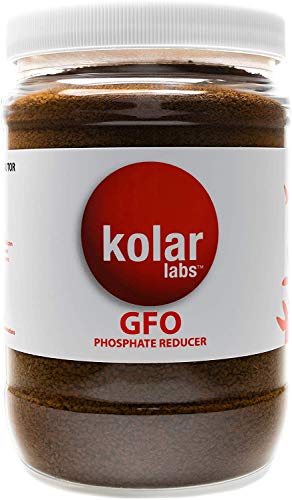
- 1TOP CHOICEBest overallKolar Labs GFO Bayoxide E33 Phosphate Remover – for Freshwater and SalView on Amazon
- 2
 TOP CHOICEBest for dosing controlBrightwell Aquatics Phosphāt-E Liquid Phosphate Remover, 250mlView on Amazon
- 3
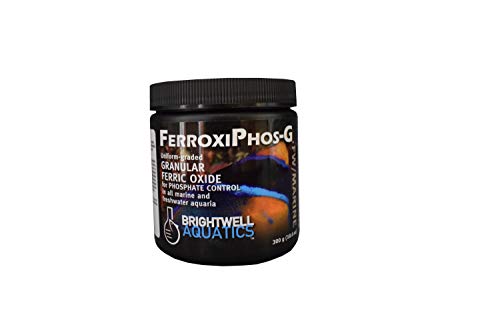 TOP CHOICEBest for fast-flow filter bagsBrightwell Aquatics FerroxiPhos-G Granular Phosphate Remover, 300gView on Amazon
- 4
 Best budget pickTL Reefs GFO Phosphate Remover, Granular Ferric Oxide, for Saltwater Aquariums (1lb, 454g)View on Amazon
- 5
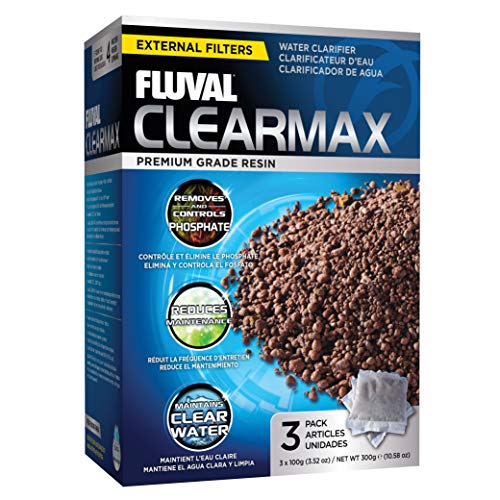 Best for nano and small sumpsFluval ClearMax Phosphate Remover, 3-Pack, 100-gram, All Breed Sizes |View on Amazon
Our Top Picks
Quick Comparison
| Product | Best for | Key feature |
|---|---|---|
| Kolar Labs GFO Bayoxide E33 Phosphate Remover | Established reef systems | Granular ferric oxide media in a 454g pack |
| Brightwell Aquatics Phosphāt-E Liquid Phosphate Remover, 250ml | Precise, adjustable dosing | Liquid formula added directly to the water |
| Brightwell Aquatics FerroxiPhos-G Granular Phosphate Remover, 300g | Filter bags and reactors | Granular ferric oxide for flow-through use |
| TL Reefs GFO Phosphate Remover, 1lb | Budget-conscious reefers | Granular ferric oxide in a 454g bag |
| Fluval ClearMax Phosphate Remover, 3-Pack | Small tanks and sumps | Pre-bagged nylon media, three packs |
Kolar Labs GFO Bayoxide E33 Phosphate Remover – for Freshwater and Saltwater Aquariums, Reef Tanks, Promotes Coral Health (454g)
Kolar Labs GFO Bayoxide E33 Phosphate Remover – for Freshwater and Saltwater Aquariums, Reef Tanks, Promotes Coral Health (454g)
Best for: Established reef systems that need steady, long-term phosphate control.
This is a granular ferric oxide media aimed at hobbyists who run a reactor or filter bag and want consistent results over weeks. It suits reefers who are comfortable tuning flow and monitoring phosphate with a test kit.
Key specs
- Granular ferric oxide (GFO) media
- 454g (1lb) package
- Listed for both freshwater and saltwater aquariums
Pros
- Well-known GFO media type with a long history in reef hobby use
- Easy to portion into nylon bags or a reactor
- Works across a range of phosphate loads when sized properly
Cons
- Requires a dedicated bag or reactor and rinsing before use
- Exhausted media needs replacing, so it is an ongoing cost of upkeep
Bottom line: A strong default choice for reefers who want a proven GFO media and are willing to manage a filter bag or reactor.
View on AmazonBrightwell Aquatics Phosphāt-E Liquid Phosphate Remover, 250ml
Brightwell Aquatics Phosphāt-E Liquid Phosphate Remover, 250ml
Best for: Dosing control and tanks without room for a media reactor.
This liquid remover is added directly to the water column according to label instructions. It fits reefers who prefer not to run media and who want to dose in small, measured steps while watching their test results.
Key specs
- Liquid formulation
- 250ml bottle
Pros
- No media bag or reactor needed
- Dosing can be adjusted in small increments
- Useful for tanks where space in the sump is limited
Cons
- Requires consistent dosing and regular phosphate testing
- Can cloud water briefly after addition, so dose gradually
Bottom line: Best for reefers who want a no-media approach and are disciplined about dosing and testing.
View on AmazonBrightwell Aquatics FerroxiPhos-G Granular Phosphate Remover, 300g
Brightwell Aquatics FerroxiPhos-G Granular Phosphate Remover, 300g
Best for: Filter bags and reactors in systems with moderate to strong flow.
This granular media is designed to sit in a bag or reactor where water passes through it. It suits reefers who already run a media setup and want an alternative granular option to compare against other GFO brands.
Key specs
- Granular ferric oxide-based media
- 300g package
Pros
- Granular format fits standard media bags and reactors
- Smaller pack size makes it easy to trial in a nano
- Works well alongside regular water changes
Cons
- Needs a bag or reactor and rinsing before use
- Requires periodic replacement once exhausted
Bottom line: A sensible granular option for reefers who want a smaller trial quantity before committing to a larger media supply.
View on AmazonTL Reefs GFO Phosphate Remover, Granular Ferric Oxide, for Saltwater Aquariums (1lb, 454g)
TL Reefs GFO Phosphate Remover, Granular Ferric Oxide, for Saltwater Aquariums (1lb, 454g)
Best for: Budget-minded reefers who want granular GFO in a full pound.
This is a straightforward granular ferric oxide product sold for saltwater aquariums. It appeals to reefers who want to run a GFO bag without paying for extra features, and who are comfortable managing media themselves.
Key specs
- Granular ferric oxide (GFO)
- 1lb (454g) package
- Labeled for saltwater aquariums
Pros
- Simple, single-purpose media
- Full-pound quantity suits medium-sized systems
- Fits common bag and reactor setups
Cons
- Brand reputation and documentation are less extensive than some competitors
- Still requires rinsing, bagging and timely replacement
Bottom line: A reasonable budget pick for reefers who want plain GFO media and already know how to run it.
View on AmazonFluval ClearMax Phosphate Remover, 3-Pack, 100-gram, All Breed Sizes | Chemical Filter Media for Aquariums, Nylon Bags, A1348
Fluval ClearMax Phosphate Remover, 3-Pack, 100-gram, All Breed Sizes | Chemical Filter Media for Aquariums, Nylon Bags, A1348
Best for: Small tanks and sumps where pre-bagged media is convenient.
These pre-bagged nylon packs are made for quick placement in a filter chamber. They suit nano reefers and anyone who prefers ready-to-use media rather than portioning their own.
Key specs
- Pre-bagged nylon media
- Three 100-gram packs per listing
- Chemical filter media format
Pros
- Ready to drop into a filter chamber with no bagging
- Three packs make replacement easy to schedule
- Compact size suits small systems
Cons
- Smaller quantity per pack may run out quickly on larger systems
- Listing is oriented toward general aquarium filtration, so confirm reef suitability before use
Bottom line: A convenient choice for nano and small-sump reefers who want pre-bagged media without the prep work.
View on AmazonBuying Guide
Media type: liquid versus granular ferric oxide
Liquid removers are dosed directly, while granular ferric oxide (GFO) binds phosphate as water flows through it. Liquid products give fine control but require regular testing. GFO works continuously but needs proper bagging and eventual replacement. Match the format to how much attention you want to give the tank.
Good picks for this: Brightwell Aquatics Phosphāt-E Liquid Phosphate Remover, 250ml; Kolar Labs GFO Bayoxide E33 Phosphate Remover
Flow rate through the media
GFO performs best when water passes through it at a controlled rate. Very fast flow can reduce contact time, while very slow flow can limit throughput. Place granular media in a bag or reactor where water moves through steadily rather than loose in the sump.
Good picks for this: Brightwell Aquatics FerroxiPhos-G Granular Phosphate Remover, 300g; TL Reefs GFO Phosphate Remover, 1lb
Tank size and bioload
A larger tank with heavy feeding produces more phosphate and will exhaust media faster. Estimate your daily feeding and bioload, then size the media quantity accordingly. Small tanks can often run on smaller packs, but check your phosphate readings after the first few weeks.
Good picks for this: Fluval ClearMax Phosphate Remover, 3-Pack; Kolar Labs GFO Bayoxide E33 Phosphate Remover
Compatibility with your filtration
Check whether your sump, refugium or reactor can hold a filter bag without restricting flow. Some setups need a dedicated reactor for granular media. Liquid products avoid this concern entirely but require accurate dosing equipment.
Good picks for this: Brightwell Aquatics Phosphāt-E Liquid Phosphate Remover, 250ml; Fluval ClearMax Phosphate Remover, 3-Pack
Ease of replacement and upkeep
Media becomes exhausted over time and must be replaced, typically when phosphate readings begin to climb again despite maintenance. Pre-bagged media is simpler to swap, while bulk granular products are more economical per use if you manage your own bags.
Good picks for this: Fluval ClearMax Phosphate Remover, 3-Pack; TL Reefs GFO Phosphate Remover, 1lb
Brand documentation and reputation
Brands with clear instructions, consistent media quality and a track record in the reef hobby make setup and troubleshooting easier. Look for product labeling that specifies intended use, and favor listings with clear sizing information.
Good picks for this: Kolar Labs GFO Bayoxide E33 Phosphate Remover; Brightwell Aquatics FerroxiPhos-G Granular Phosphate Remover, 300g
Monitoring and testing
Any phosphate remover should be paired with regular testing. Target ranges for reef systems are generally low, and readings should be checked before and after media changes. Consider a reliable test kit alongside your remover to confirm results.
Good picks for this: Brightwell Aquatics Phosphāt-E Liquid Phosphate Remover, 250ml; Kolar Labs GFO Bayoxide E33 Phosphate Remover
FAQ
How do I know when to replace phosphate remover media?
Replace granular media when phosphate readings begin rising again even though you are maintaining your normal routine. Many hobbyists also replace media on a schedule as a precaution, but monitor your test results rather than relying on time alone.
Can I use GFO and liquid phosphate remover together?
Some reefers use both, but combining them complicates dosing and makes results harder to read. Introduce one change at a time and watch your phosphate and other parameters closely before adding another variable.
Does a phosphate remover replace water changes?
No. Water changes remove dissolved organics and replenish trace elements that a remover cannot address. A phosphate remover works best as one part of a broader maintenance routine that includes feeding control and regular testing.
Will phosphate remover harm corals?
Properly used GFO and liquid removers are generally considered compatible with reef systems, but abrupt large changes in phosphate can stress corals. Follow label directions, dose gradually and avoid sudden swings in water chemistry.
Should I rinse granular media before use?
Most manufacturers recommend rinsing granular media with fresh water to remove dust before placing it in a bag or reactor. Check the product labeling for specific guidance, since instructions can vary by brand.
How long does a bag of GFO last?
Duration depends on phosphate input, flow rate and media quantity. Small systems with light feeding may go months, while heavily stocked tanks may need replacement much sooner. Track your readings to establish a realistic schedule for your own tank.
What phosphate level should I aim for?
Many reefers aim for very low phosphate readings, but target ranges depend on the corals kept and the overall system. For detailed guidance, see our article on Phosphate Level in Reef Tank: Target Ranges and How to Lower It Safely.
Conclusion
For most established reef tanks, the Kolar Labs GFO Bayoxide E33 is a sensible overall choice for reefers who run a reactor or filter bag. If precise dosing matters more than media maintenance, the Brightwell Aquatics Phosphāt-E Liquid is worth considering. Reefers already running granular media may prefer the Brightwell Aquatics FerroxiPhos-G, while budget-minded hobbyists can look at the TL Reefs GFO. Nano and small-sump owners who want pre-bagged convenience may find the Fluval ClearMax 3-Pack the simplest fit. Whichever you choose, pair it with regular testing and steady maintenance, and see our guide to Water Filter Media Replacement: When and How to Swap It in a Reef Tank for swap timing.
Sources
- General guidance on nutrient pollution and phosphorus sources in water systems (epa.gov)
- Background on phosphorus chemistry and its behavior in water (usgs.gov)
- Information on nutrient effects on coral reef ecosystems (noaa.gov)
Related reading
- 5 Best Reef Tank Green Hair Algae Removers for Reef Aquariums
- What Is a Protein Skimmer in a Fish Tank? How It Works for Reef Tanks
About Caleb Morgan
Caleb Morgan is part of our editorial team and reviews and edits our reef & saltwater aquariums guides, checking product details against manufacturer specifications and owner feedback.
About the author
Caleb Morgan writes reviews and buying guides for My Reef Aquarium.