6 Best Reef Tank Water Testing Kit Options for Accurate Saltwater Checks
Compare six reef tank water testing kit options by what they measure, how precise they are and who they suit, so you can check your saltwater parameters with co
 By Caleb Morgan
Updated November 22, 2026
 By Caleb Morgan
Updated November 2026
Choosing a reef tank water testing kit comes down to three things: which parameters you need to track, how precise the readings must be, and how often you plan to test. A reef tank is unforgiving. Alkalinity, calcium, magnesium, nitrate and phosphate all interact, and a drift in one can stress corals long before fish show any sign of trouble. The six kits below were compared on the parameters they cover, the reagent format and the kind of hobbyist each one tends to suit. None of them was tested in a lab for this article; the comparison draws on manufacturer specifications and the patterns owners commonly describe in their feedback.
Our top picks at a glance
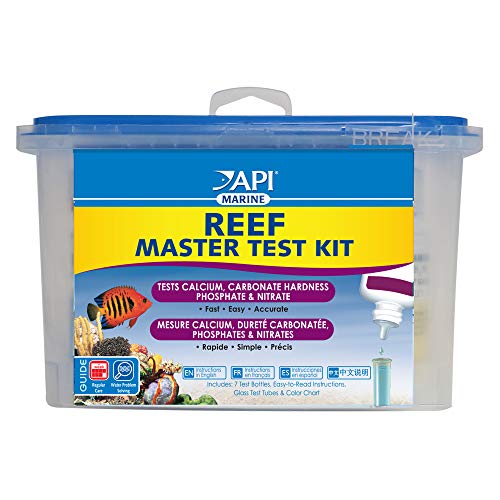
- 1TOP CHOICEBest overallAPI REEF MASTER TEST KIT Reef Aquarium Water Test Kit 1-CountView on Amazon
- 2
 TOP CHOICEBest for dedicated reef keepersSalifert Master Reef Testing Combo Kit – Saltwater AquariumsView on Amazon
- 3
 TOP CHOICEBest for beginners who want broad coverage11 in 1 Aquarium Water Test Kit, 150 Strips Fish TankView on Amazon
- 4
 Best app-connected optionDigital Aquarium Water Test Kit, App-Enabled 10-in-1 Fish Tank Test KitView on Amazon
- 5
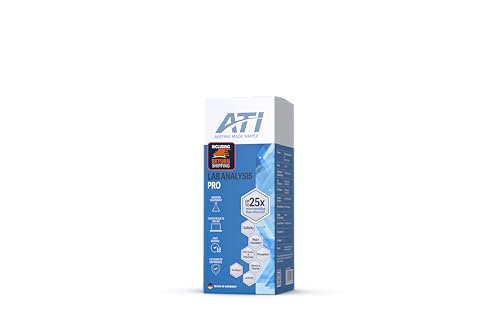 Best for detailed lab-style analysisATI ICP Lab Analysis Pro for Reef AquariumsView on Amazon
- 6
 Best budget pickAAwipes 8-in-1 Aquarium Test Kit for Fish TanksView on Amazon
Our Top Picks
Quick Comparison
| Product | Best for | Key feature |
|---|---|---|
| API REEF MASTER TEST KIT Reef Aquarium Water Test Kit | Reefers wanting a familiar core panel | Liquid reagent test drops for core reef parameters |
| Salifert Master Reef Testing Combo Kit | Dedicated reef keepers tracking trends | Precise liquid reagent tests for alkalinity, calcium and more |
| 11 in 1 Aquarium Water Test Kit, 150 Strips Fish Tank | Beginners and multi-tank owners | Large strip count with a range of parameters |
| Digital Aquarium Water Test Kit, App-Enabled 10-in-1 | Owners who like logging data on a phone | App-enabled readout for strip results |
| ATI ICP Lab Analysis Pro for Reef Aquariums | Owners wanting deeper, periodic analysis | Laboratory-style analysis of water samples |
| AAwipes 8-in-1 Aquarium Test Kit for Fish Tanks | Budget-minded hobbyists and freshwater crossovers | Quick strip tests across eight parameters |
API REEF MASTER TEST KIT Reef Aquarium Water Test Kit 1-Count
API REEF MASTER TEST KIT Reef Aquarium Water Test Kit 1-Count
Best for: Reefers who want a recognizable liquid test panel for everyday checks
This kit suits hobbyists who are setting up a reef for the first time and want a well-known brand with straightforward instructions. It is also a sensible second kit for anyone who wants a cross-check against strip results. A related read: 4 Best Reef Tank Starter Kit Options for Beginners (2026).
Key specs
- Reef aquarium water test kit, single count
- Liquid reagent format using color-matching charts
Pros
- Familiar brand that many reef guides reference
- Liquid reagents tend to give more controllable readings than strips
- Simple color-chart comparison that is easy to repeat
Cons
- Reagent bottles need to be replaced as they are used up
- Color matching depends on lighting and eyesight
Bottom line: A solid pick for hobbyists who want a dependable liquid panel without a steep learning curve.
View on AmazonSalifert Master Reef Testing Combo Kit – Saltwater Aquariums
Salifert Master Reef Testing Combo Kit – Saltwater Aquariums
Best for: Dedicated reef keepers who track alkalinity and calcium closely For another angle, check out 5 Best Reef Tank Algae Scrubber Options for Saltwater Aquariums (2026).
This combo kit is aimed at reefers who dose additives and want to watch the trend line week to week. Owners often describe it as a go-to for consistent alkalinity and calcium work.
Key specs
- Combo format for saltwater aquariums
- Liquid reagent tests with color-matching endpoints
Pros
- Well regarded among reef keepers for alkalinity and calcium
- Good for tracking trends rather than single readings
- Reagents are widely available for refills
Cons
- Takes more time per session than strip testing
- Requires careful technique to get repeatable results
Bottom line: The right choice for reefers who already know their parameter targets and want careful, repeatable numbers.
View on Amazon11 in 1 Aquarium Water Test Kit, 150 Strips Fish Tank
11 in 1 Aquarium Water Test Kit, 150 Strips Fish Tank | 950 Tests – Fish Tank Aquariums Water Test Kit & ebook | Aquarium Thermometer Includes 50 Ammonia Strips
Best for: Beginners and owners who test several tanks
The high strip count makes this kit practical for frequent checks across more than one system. It is a reasonable first kit for someone still learning which parameters matter most in a reef.
Key specs
- 11-in-1 test format with 150 strips in the listing
- Strip-based testing for fish tanks, including saltwater use
Pros
- Large supply of strips for frequent testing
- Covers a broad range of parameters in one package
- Easy to use with no mixing required
Cons
- Strip colors can be hard to read under some lighting
- Strips are less precise than liquid reagents for critical parameters like alkalinity
Bottom line: Good for beginners who want volume and variety, with liquid tests added later for the parameters that matter most.
View on AmazonDigital Aquarium Water Test Kit, App-Enabled 10-in-1 Fish Tank Test Kit
Digital Aquarium Water Test Kit, App-Enabled 10-in-1 Fish Tank Test Kit for Freshwater & Saltwater, Aquarium Test Strips for Fish Tanks, Reef, pH, Ammonia, Nitrate, Nitrite, GH, KH, Chlorine
Best for: Owners who want to log results and spot trends on a phone
This kit is built around a digital workflow. It suits hobbyists who like keeping a record and sharing data with a community or a service provider.
Key specs
- 10-in-1 test covering freshwater and saltwater use, per the listing
- App-enabled readout for strip results
Pros
- Digital logging makes trend tracking easier
- Covers many parameters in one kit
- Appeals to owners who want data without manual charting
Cons
- Depends on a phone and app working reliably
- Digital readings still rely on strip accuracy for fine targets
Bottom line: A good match for data-minded hobbyists who want their readings organized automatically.
View on AmazonATI ICP Lab Analysis Pro for Reef Aquariums
ATI ICP Lab Analysis Pro for Reef Aquariums – Advanced Water Testing with RO Water Analysis – Nitrate, KH & Fluoride – 1 Test Kit
Best for: Reefers who want periodic in-depth analysis beyond home kits
This option takes a different approach: samples go to a lab-style analysis rather than being read at home. It is useful for diagnosing hard-to-explain problems, including the quality of RO water.
Key specs
- Laboratory-style analysis for reef aquarium water
- Covers parameters such as nitrate, KH and fluoride, per the listing
Pros
- Deeper analysis than most home kits offer
- Useful for checking RO and source water quality
- Good periodic check alongside daily home testing
Cons
- Results are not instant, so it cannot replace daily checks
- Works best as a supplement, not a primary tool
Bottom line: Worth considering for owners who want a periodic deep dive into their water chemistry.
View on AmazonAAwipes 8-in-1 Aquarium Test Kit for Fish Tanks
AAwipes 8-in-1 Aquarium Test Kit for Fish Tanks – Quick & Accurate Water Testing Strips for Aquariums & Ponds. Tests pH, Ammonia, Alkalinity, Hardness, Chlorine, etc. (K02-50)
Best for: Budget-minded hobbyists who want quick checks across several parameters
This strip kit covers a useful range of parameters at a lower entry point. It suits owners running a fish-focused tank who want an affordable way to watch basic water quality.
Key specs
- 8-in-1 strip test for fish tanks and ponds
- Covers pH, ammonia, alkalinity, hardness and chlorine, per the listing
Pros
- Quick, no-mixing testing
- Covers the basics across several parameters
- Suitable as a secondary check between liquid tests
Cons
- Strips are less precise for reef-critical targets
- Not designed as a full reef-specific panel
Bottom line: A practical budget choice for quick spot checks, best paired with a dedicated liquid kit for reef parameters.
View on AmazonBuying Guide
Parameters the kit must cover
A reef needs more than basic fish-tank checks. Alkalinity, calcium, magnesium, nitrate and phosphate matter most for coral health. Confirm the kit lists these before you buy, or plan to add a separate test for anything missing. For a deeper look at alkalinity, see Top 3 Alkalinity Supplements and Test Kits for Alkalinity in a Reef Tank (2026).
Good picks for this: API REEF MASTER TEST KIT Reef Aquarium Water Test Kit, Salifert Master Reef Testing Combo Kit
Liquid reagents versus test strips
Liquid reagent tests usually offer finer color steps and more repeatable results for critical parameters. Strips are faster and cheaper to run for routine checks but are less precise. Many reefers use strips for quick screening and liquid tests for alkalinity and calcium. For context on overall tank routine, 7 Best Reef Tank Water Test Kits for Stable Saltwater Parameters covers more options.
Good picks for this: Salifert Master Reef Testing Combo Kit, 11 in 1 Aquarium Water Test Kit
Test count and refill cost of reagents
Check how many tests a kit yields and whether reagents are sold separately. A kit with a large strip count suits frequent testing across tanks. Reagent-based kits should list the number of tests per bottle so you can plan refills.
Good picks for this: 11 in 1 Aquarium Water Test Kit, API REEF MASTER TEST KIT Reef Aquarium Water Test Kit
Digital logging and app support
If you want to see trends over weeks, an app-enabled kit can save time. Confirm the app runs on your phone and that you are comfortable sharing data if the app requires an account.
Good picks for this: Digital Aquarium Water Test Kit, App-Enabled 10-in-1
Lab analysis as a supplement
Periodic lab-style analysis can catch problems that home kits miss, such as contaminants in source or RO water. It is best used every few weeks or when a problem persists, not as a daily tool.
Good picks for this: ATI ICP Lab Analysis Pro for Reef Aquariums
Shelf life and storage
Reagents and strips degrade with heat, humidity and light exposure. Store kits in a cool, dry place and note expiration dates. Replace reagents that have changed color or passed their date, since old reagents can produce misleading results.
Good picks for this: AAwipes 8-in-1 Aquarium Test Kit for Fish Tanks, API REEF MASTER TEST KIT Reef Aquarium Water Test Kit
Fit for your tank and budget
A nano reefer testing a small system needs fewer tests than someone running a large display with a sump. Match the kit to your actual workload. A budget kit can cover basic checks, but reef-critical numbers justify a dedicated liquid panel.
Good picks for this: AAwipes 8-in-1 Aquarium Test Kit for Fish Tanks, Salifert Master Reef Testing Combo Kit
FAQ
How often should I test my reef tank water?
Most reefers test key parameters weekly, with alkalinity and calcium checked more often if they are dosing additives. After any major change, such as a water change or equipment swap, check the parameters you care about most within a day or two.
Are test strips accurate enough for a reef?
Strips are useful for screening but are generally less precise than liquid reagents. For critical targets like alkalinity and calcium, many reefers prefer liquid tests and use strips only as a quick check.
What parameters matter most for corals?
Alkalinity, calcium, magnesium, salinity and temperature are central for most corals. Nitrate and phosphate also matter, since high levels can encourage algae and stress corals. Targets vary by species, so check reputable coral care sources for specifics.
Can one kit cover both freshwater and saltwater?
Some kits are marketed for both, but reef tanks need parameters and precision that freshwater-focused kits may not provide. Confirm the listing covers the reef parameters you need before relying on it.
Do I need a lab test if I already use a home kit?
Not always. A lab analysis is most useful when a problem persists, when you want to check source or RO water, or when home kit results do not explain what you see in the tank. It complements rather than replaces daily testing.
How should I store my test reagents?
Keep reagents in a cool, dry place away from direct sunlight. Close bottles tightly after each use and replace any reagent that has passed its expiration date or changed color unexpectedly.
Is a budget kit enough for a beginner?
A budget kit can cover basic screening, which helps beginners learn what normal readings look like. As your tank grows, adding a dedicated liquid panel for alkalinity and calcium is a sensible next step. For related equipment, see Top 5 Reef Tank Test Kit Options for Accurate Water Checks (2026).
Conclusion
For most reefers, the best starting point is a dedicated liquid panel like the API REEF MASTER TEST KIT, which covers core parameters with a familiar workflow. Dedicated reef keepers who track alkalinity and calcium closely will get more from the Salifert Master Reef Testing Combo Kit. Beginners who want volume and variety can look at the 11 in 1 Aquarium Water Test Kit, while data-minded owners may prefer the app-enabled Digital Aquarium Water Test Kit. The ATI ICP Lab Analysis Pro suits periodic deep checks, and the AAwipes 8-in-1 kit works as a budget spot-check tool. Match the kit to the parameters you actually dose and track, and add liquid tests for any number that matters to your corals.
Sources
- General guidance on water quality parameters and sampling practices (epa.gov)
- Background on water chemistry measurement and sample handling (usgs.gov)
- Information on ocean chemistry and coral reef environments (noaa.gov)
Related reading
- 4 Best Reef Tank Testing Kits for Saltwater Hobbyists: Our Picks
- Water Filter Media Replacement: When and How to Swap It in a Reef Tank
- Reef Tank Without Protein Skimmer: 6 Steps That Keep Water Clean
About Caleb Morgan
Caleb Morgan is part of our editorial team and reviews and edits our reef & saltwater aquariums guides, checking product details against manufacturer specifications and owner feedback.
About the author
Caleb Morgan writes reviews and buying guides for My Reef Aquarium.