Top 6 Sands for Reef Tank Picks Compared for Coral-Safe Substrates
Compare the best sand for reef tank options, from aragonite reef sands to sugar-fine substrates. Learn what matters before you buy and which pick suits your set
 By Caleb Morgan
Updated November 21, 2026
 By Caleb Morgan
Updated November 2026
Choosing sand for reef tank use is less about looks and more about chemistry, grain size and how the substrate behaves over months of water changes and coral growth. A good reef sand buffers pH, releases calcium and carbonate slowly, supports a healthy population of cleanup organisms and does not cloud the water every time a fish digs. The picks below were compared on material type (aragonite versus other substrates), grain size, packaging, the intended tank style and the patterns owners commonly report about settling, dust and stability. Every product here is a real Amazon listing, and none of these rankings come from hands-on lab testing.
Our top picks at a glance
- 1TOP CHOICEBest overallCaribSea Arag-Alive Bimini Pink Special Grade Reef Sand – 20 lbsView on Amazon
- 2
 TOP CHOICEBest for live sand bedsCarib Sea Arag-Alive Substrate Special Grade Reef Sand, 10 lb.View on Amazon
- 3
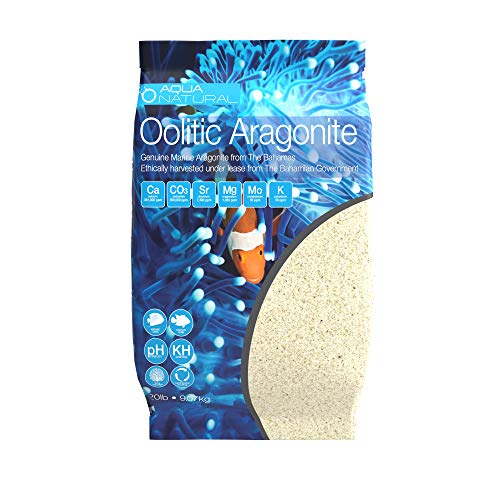 TOP CHOICEBest budget pickAqua Natural Aquarium Sand, Oolitic Aragonite, 20lbView on Amazon
- 4
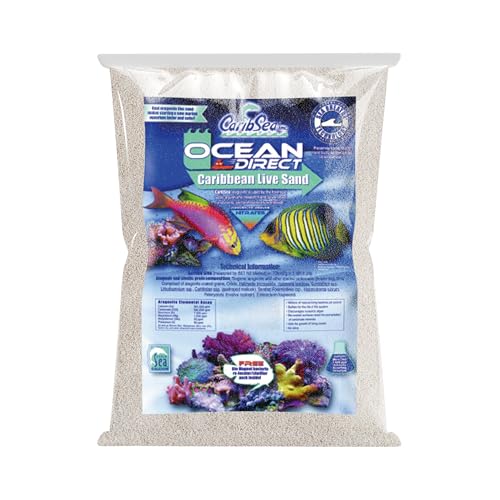 Best for a seeded, quick-start bedCaribSea Ocean Direct Natural Live Sand – 20 lbView on Amazon
- 5
 Best for a pink, smooth-look displayCarib Sea Fiji Pink Reef Sand – 15 lbView on Amazon
- 6
 Best for a bright white aquascapeAqua Natural Substrate, Sugar White Sand, 10lbView on Amazon
Our Top Picks
Quick Comparison
| Product | Best for | Key feature |
|---|---|---|
| CaribSea Arag-Alive Bimini Pink Special Grade Reef Sand | Overall reef setups | Aragonite grains marketed as live-substrate friendly |
| Carib Sea Arag-Alive Substrate Special Grade Reef Sand | Live sand beds in smaller tanks | Same Arag-Alive line in a 10 lb bag |
| Aqua Natural Aquarium Sand, Oolitic Aragonite | Budget-minded reef and marine tanks | Oolitic aragonite for buffering |
| CaribSea Ocean Direct Natural Live Sand | Faster bed establishment | Sea Breathe packaging for a shorter setup window |
| Carib Sea Fiji Pink Reef Sand | Pink-toned aquascapes | Smooth aragonite with pH-supporting material |
| Aqua Natural Substrate, Sugar White Sand | Bright white displays | Fine sugar-grain texture |
CaribSea Arag-Alive Bimini Pink Special Grade Reef Sand – 20 lbs
CaribSea Arag-Alive Bimini Pink Special Grade Reef Sand – 20 lbs – Natural Substrate for Marine & Reef Tanks, Promotes Coral Growth & Water Stability
Best for: Overall reef setups that want a well-known aragonite substrate with a larger bag size.
This is a practical default for hobbyists building a reef from the bottom up. The 20 lb bag gives enough coverage for a typical mid-sized display, and the Arag-Alive line is positioned for live sand use, meaning the grains are meant to host beneficial microfauna over time.
Key specs
- Listed as 20 lbs
- Special grade reef sand
- Natural aragonite base, marketed for marine and reef tanks
Pros
- Large bag suits bigger tanks without repeat orders
- Aragonite composition supports carbonate buffering
- Well-established line that owners often recommend for reef beds
Cons
- Pink tint may not suit every aquascape
- Heavier bag is harder to pour into an open top tank
Bottom line: A strong first choice for a reef tank that needs a reliable aragonite bed in one purchase.
View on AmazonCarib Sea Arag-Alive Substrate Special Grade Reef Sand, 10 lb.
Carib Sea Arag-Alive Substrate Special Grade Reef Sand, 10 lb.
Best for: Live sand beds in smaller tanks or partial refreshes.
This is the same Arag-Alive family in a smaller bag, which makes it easier to test the substrate before committing to a full bed. It also works well for topping off a bed that has settled lower over time.
Key specs
- Listed as 10 lb
- Special grade reef sand
- Aragonite-based substrate for reef use
Pros
- Manageable weight for nano and small reef tanks
- Good for topping off or patching an existing bed
- Same product line as the larger bag, so color and grain are consistent
Cons
- Coverage runs out quickly in tanks above about 30 gallons
- Costs more per pound than larger bags of the same substrate type
Bottom line: Ideal for a smaller tank or for keeping a reserve on hand for maintenance.
View on AmazonAqua Natural Aquarium Sand, Oolitic Aragonite, 20lb
Aqua Natural Aquarium Sand, Oolitic Aragonite, 20lb | Reef, Saltwater, Marine and Cichlid Tanks
Best for: Budget-minded reef and marine tanks that still want an aragonite base.
Oolitic aragonite is a finer, rounder form of aragonite that many keepers use for buffering. It is a sensible option for reef, saltwater and even cichlid-style setups, which makes it versatile if you plan to keep a mixed tank later.
Key specs
- Listed as 20 lb
- Oolitic aragonite composition
- Suitable for reef, saltwater, marine and cichlid tanks per the listing
Pros
- Good value for a large bag of aragonite
- Fine oolitic grain tends to settle into a smooth bed
- Versatile across several tank types
Cons
- Finer grains can cloud water during the first rinse if not rinsed thoroughly
- Not marketed specifically as a seeded live sand
Bottom line: A solid pick for a reef keeper who wants a buffering aragonite base without paying for live-sand branding.
View on AmazonCaribSea Ocean Direct Natural Live Sand – 20 lb
CaribSea Ocean Direct Natural Live Sand – 20 lb – Natural Aragonite Sand for Saltwater Aquariums – Sea Breathe Technology – Short Setup Time
Best for: Reefers who want a faster-established bed after setup.
Ocean Direct is positioned as live sand that arrives with a head start on biological activity. Owners frequently describe a shorter cycling window with this type of substrate, though results still depend on tank maturity and feeding.
Key specs
- Listed as 20 lb
- Natural live sand, aragonite-based
- Sea Breathe packaging, as named in the listing
Pros
- Live sand can jump-start microfauna populations
- Large bag for mid-sized tanks
- Owners often report a shorter setup time than dry sand
Cons
- Live sand must be kept moist and handled carefully during shipping and transfer
- Still requires a full nitrogen cycle before adding sensitive livestock
Bottom line: Best for a new reef that needs a biologically active bed from day one.
View on AmazonCarib Sea Fiji Pink Reef Sand – 15 lb
Carib Sea Fiji Pink Reef Sand – 15 lb – Aragonite Substrate for Marine & Reef Aquariums – Smooth Texture – Supports pH Balance – Free from Impurities
Best for: Pink-toned aquascapes and reef displays that want a warmer substrate color.
Fiji Pink is a popular choice for reefers who want a visual accent beneath colorful corals. The aragonite base is intended to support pH, and the listing highlights smooth grains and few impurities.
Key specs
- Listed as 15 lb
- Aragonite substrate for marine and reef aquariums
- Smooth texture, as stated in the listing
Pros
- Pink color adds visual contrast with coral colors
- Smooth grain is comfortable for sand-sifting fish and cleaners
- Aragonite base supports pH buffering
Cons
- Color can fade slightly in some owner reports after long exposure to lighting
- Pink tones may look too warm in all-white aquascapes
Bottom line: A good fit for reefers who want a colored substrate that complements a bright coral display.
View on AmazonAqua Natural Substrate, Sugar White Sand, 10lb
Aqua Natural Substrate, Sugar White Sand, 10lb | Aquascaping, Aquariums, Vivariums, Terrariums
Best for: Bright white displays and aquascaped tanks where contrast matters.
Sugar-fine white sand is often used in planted and aquascaped builds. In a reef, it gives a clean backdrop that makes coral and fish colors stand out, though it is worth confirming that the material suits your buffering goals before you commit.
Key specs
- Listed as 10 lb
- Sugar white sand texture
- Listed for aquariums, vivariums and terrariums
Pros
- Bright white look enhances coral colors
- Fine grain suits aquascaping and detailed rockwork
- Smaller bag works for nano builds
Cons
- Listing does not clearly state aragonite content, so buffering should be verified
- Fine grain can cloud water if not rinsed well
Bottom line: Pick this for a clean white display, and check the material details before using it as your main buffering substrate.
View on AmazonBuying Guide
Material: aragonite versus other substrates
Aragonite is the usual choice for reef tanks because it dissolves slowly and releases calcium and carbonate, which helps buffer alkalinity. Non-aragonite sands may look similar but do little for buffering. Confirm the material on the listing before buying.
Good picks for this: CaribSea Arag-Alive Bimini Pink Special Grade Reef Sand, Aqua Natural Aquarium Sand, Oolitic Aragonite
Live versus dry sand
Live sand is seeded with microorganisms that help break down waste. Dry sand is cheaper and easier to store, but it takes longer for a bed to develop a biological community. Consider how much time you want to spend waiting before adding livestock.
Good picks for this: CaribSea Ocean Direct Natural Live Sand, Carib Sea Arag-Alive Substrate Special Grade Reef Sand
Grain size and texture
Fine grains pack tightly and can cloud water during rinsing. Coarser grains settle quickly and are less likely to compact. Sand-sifting fish and burrowing invertebrates prefer grains that are smooth and not sharp.
Good picks for this: Carib Sea Fiji Pink Reef Sand, Aqua Natural Substrate, Sugar White Sand
Depth and bag size
Most reef keepers aim for a bed between 1 and 2 inches deep for sand-sifting life, and deeper beds (3 inches or more) are used for deep sand bed systems. Calculate volume before buying: multiply the tank footprint by your target depth and compare it to the bag’s listed weight.
Good picks for this: CaribSea Arag-Alive Bimini Pink Special Grade Reef Sand, Carib Sea Arag-Alive Substrate Special Grade Reef Sand
Color and aquascape look
Color changes how corals and fish appear. Pink tones add warmth, while white creates contrast. Check how the color interacts with your lighting, since strong blue LEDs can make sand look cooler than it does under daylight.
Good picks for this: Carib Sea Fiji Pink Reef Sand, Aqua Natural Substrate, Sugar White Sand
Packaging and dust
Dusty sand can cloud water for hours. Rinse substrate in a bucket with saltwater or RO water until the runoff is mostly clear. Live sand needs gentler handling and should stay moist during transport.
Good picks for this: CaribSea Ocean Direct Natural Live Sand, Aqua Natural Aquarium Sand, Oolitic Aragonite
Use case and tank size
Nano tanks benefit from smaller bags that reduce waste, while larger reef systems need bulk quantities. Match bag size to your tank’s footprint so you can finish a bed in one pass if possible.
Good picks for this: Carib Sea Arag-Alive Substrate Special Grade Reef Sand, Aqua Natural Substrate, Sugar White Sand
FAQ
How deep should sand be in a reef tank?
Many reefers keep 1 to 2 inches of sand for a sand-sifting bed. Deep sand beds go to 3 inches or more and need a specific setup, so research the method before going deeper.
Is aragonite sand necessary for a reef?
Aragonite is the most common choice because it supports alkalinity and calcium. Non-aragonite sands can work for other tank types but usually do less for buffering.
Should I rinse new sand before adding it?
Yes. Rinse until the water runs mostly clear to remove dust and fine particles. Expect some cloudiness even after rinsing.
Does live sand cycle a tank faster?
Live sand contains microorganisms that can speed biological activity, but the tank still needs time to establish a full nitrogen cycle. Test ammonia, nitrite and nitrate before adding sensitive animals.
How much sand do I need for a reef tank?
Multiply the tank’s bottom area in square inches by your target depth in inches to get cubic inches, then convert to pounds using the substrate’s density. Many manufacturers list coverage guidelines on the packaging.
Can I mix different sands in one tank?
You can, but mixing grain sizes and colors can create uneven settling. Keep the bed consistent if you want predictable behavior. You may also like 5 Best Refractometers for Reef Tank Picks Compared (2026).
Is sand safe for all reef inhabitants?
Most reef-safe aragonite sands are suitable for corals and invertebrates, but fine grains can smother some burrowing animals if the bed is too deep. If you keep sensitive species, consult a reef professional or an experienced local aquarium retailer.
Conclusion
For most reef tanks, CaribSea Arag-Alive Bimini Pink Special Grade Reef Sand is the broadest choice, and the 10 lb Arag-Alive bag suits smaller tanks or touch-ups. Aqua Natural Aquarium Sand, Oolitic Aragonite fits budget-minded builds, while CaribSea Ocean Direct Natural Live Sand suits reefers who want a seeded bed. For color, Carib Sea Fiji Pink Reef Sand adds warmth and Aqua Natural Substrate, Sugar White Sand gives a clean white look, though you should verify its buffering material before relying on it. Match the substrate to your tank size, your timeline and your visual goals.
Sources
- Water quality basics and guidance on monitoring aquatic systems (epa.gov)
- Information on coral reef ecosystems and their conservation (noaa.gov)
- Research on water chemistry, carbonate systems and alkalinity (usgs.gov)
Related reading
- Live Sand Reef Tank Setup: A Step-by-Step Guide for Beginners
- What Is a Protein Skimmer in a Fish Tank? How It Works for Reef Tanks
- What Is a Protein Skimmer Used For in a Reef Tank? Uses and Benefits
- What Is a Protein Skimmer Aquarium? How It Works and Why Reef Tanks Use One
- Wave Maker Reef Tank: How to Set Up Flow for a Healthy Reef (2026)
About Caleb Morgan
Caleb Morgan is part of our editorial team and reviews and edits our reef & saltwater aquariums guides, checking product details against manufacturer specifications and owner feedback.
About the author
Caleb Morgan writes reviews and buying guides for My Reef Aquarium.