Reef Tank Low pH: 6 Best Products to Raise and Stabilize It (2026)
Reef tank low pH hurts coral growth and calcification. Compare six proven test kits, buffers and pH stabilizers to fix and hold your reef's pH steady.
 By Caleb Morgan
Updated November 22, 2026
 By Caleb Morgan
Updated November 2026
Reef tank low pH is one of the most common water chemistry problems in saltwater aquariums, and it tends to creep up quietly. Carbon dioxide from fish, invertebrates and the air dissolves into the water and forms carbonic acid, while nighttime respiration from corals and algae pulls additional CO2 into the tank. Over days or weeks, pH can drift from the 8.1 to 8.4 range most reefers aim for down toward 7.8 or lower. The products below were selected by checking manufacturer specifications, brand reputation and common owner feedback patterns for accuracy, ease of use and how well each one fits a reef-safe routine.
Our top picks at a glance
- 1TOP CHOICEBest overallAPI PH TEST KIT 250-Test Freshwater Aquarium Water pH Test Kit, 4 Piece SetView on Amazon
- 2
 TOP CHOICEBest for accurate reef monitoringBrightwell Aquatics Alkalin8.3 Reef Buffer pH Stabilizer, 250mlView on Amazon
- 3
 TOP CHOICEBest for routine maintenance dosingTetra Correct pH, Maintains Natural pH In Aquariums, 8 CountView on Amazon
- 4
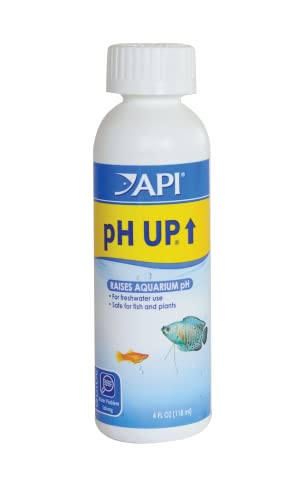 Best for quick pH raisingAPI pH UP Freshwater Aquarium Water pH Raising Solution for fish, 4-Ounce BottleView on Amazon
- 5
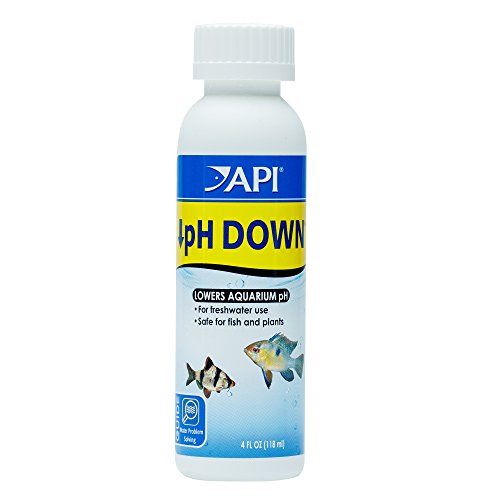 Best for pulling pH downAPI pH DOWN Freshwater Aquarium Water pH Reducing Solution 4-Ounce BottleView on Amazon
- 6
 Best budget pickAPI PROPER pH 7.0 Freshwater Aquarium Water pH Stabilizer 8.8-Ounce ContainerView on Amazon
Our Top Picks
Quick Comparison
| Product | Best for | Key feature |
|---|---|---|
| API PH TEST KIT 250-Test Freshwater Aquarium Water pH Test Kit | Tracking pH trends | Liquid reagent kit with 250 tests |
| API pH UP Freshwater Aquarium Water pH Raising Solution | Raising low pH | Liquid pH increaser |
| Brightwell Aquatics Alkalin8.3 Reef Buffer pH Stabilizer | Reef-specific buffering | Alkalinity-based reef buffer |
| Tetra Correct pH | Routine maintenance | Pre-measured monthly tablets |
| API pH DOWN Freshwater Aquarium Water pH Reducing Solution | Lowering pH that overshot | Liquid pH reducer |
| API PROPER pH 7.0 Freshwater Aquarium Water pH Stabilizer | Budget stabilization | Powder pH stabilizer |
API PH TEST KIT 250-Test Freshwater Aquarium Water pH Test Kit, 4 Piece Set
API PH TEST KIT 250-Test Freshwater Aquarium Water pH Test Kit, 4 Piece Set
Best for: Tracking pH trends accurately before you change anything
This is the starting point for any low pH investigation. Reefers who keep a log of readings can see whether pH is falling steadily overnight, dropping after feeding or stable during the day, and that pattern tells you which fix to apply.
Key specs
- Liquid reagent test kit
- Four-piece set including the test vials and color card
- Rated for 250 tests
Pros
- Color-matching is simple to read under typical tank lighting
- Large test count makes regular checks affordable in terms of supplies
- Widely used, so guidance and troubleshooting threads are easy to find
Cons
- Color comparison is subjective and can vary under blue LED lighting
- Reagents are made for freshwater-range readings and need care at reef pH levels
Bottom line: Best for any reefer who wants reliable trend data before adjusting anything. Pair it with a second test brand occasionally to cross-check.
View on AmazonBrightwell Aquatics Alkalin8.3 Reef Buffer pH Stabilizer, 250ml
Brightwell Aquatics Alkalin8.3 Reef Buffer pH Stabilizer, 250ml
Best for: Reef-specific buffering that supports stable pH over time
Reefers running SPS-heavy systems or tanks with high calcification demand often prefer a buffer that adds alkalinity directly, since alkalinity is what resists pH swings. This product is aimed at that use case.
Key specs
- Liquid reef buffer
- 250 ml bottle
Pros
- Targets alkalinity, which is the underlying driver of pH stability
- Easy to dose in small measured amounts
- Well regarded among reef keepers for consistent results
Cons
- Overdosing can push alkalinity and pH too high, so measured additions and testing are essential
- Works best alongside a reliable test routine rather than as a set-and-forget product
Bottom line: A strong choice for reefers who want to stabilize pH through alkalinity rather than chasing pH directly.
View on AmazonTetra Correct pH, Maintains Natural pH In Aquariums, 8 Count
Tetra Correct pH, Maintains Natural pH In Aquariums, 8 Count | Maintains pH Levels To Ensure A Healthy Environment In Fish Tanks, Reduces Stress To Fish, Pre-Measured Tabs, Use Monthly
Best for: Routine maintenance dosing with minimal measuring
Owners who want a simple monthly habit rather than daily dosing often reach for pre-measured tablets. This product is designed for a low-effort maintenance schedule, though it is better suited to freshwater-style stabilization than precise reef chemistry.
Key specs
- Pre-measured tablets
- Eight-count package
- Labeled for monthly use
Pros
- No measuring required, which reduces dosing mistakes
- Simple monthly routine for light-load tanks
- Easy to store and use
Cons
- Not formulated as a precise reef alkalinity buffer
- Limited control compared with liquid dosing for larger or high-demand systems
Bottom line: Suits smaller or lightly stocked tanks where a monthly tablet fits the maintenance routine. Heavier reef systems should look at liquid buffers instead.
View on AmazonAPI pH UP Freshwater Aquarium Water pH Raising Solution for fish, 4-Ounce Bottle
API pH UP Freshwater Aquarium Water pH Raising Solution for fish,4-Ounce Bottle, Brown
Best for: Raising pH when it has dropped below your target
When a test confirms pH is low, a raising solution gives you a direct way to nudge it back up. It is best used in small increments with retesting between doses.
Key specs
- Liquid pH increaser
- 4-ounce bottle
Pros
- Direct and fast-acting for correcting a measured low reading
- Small bottle size is convenient for occasional use
- Dosing is straightforward when done incrementally
Cons
- Labeled for freshwater aquariums, so reef keepers should dose cautiously and verify results
- Rapid pH shifts can stress corals and fish, so small steps are important
Bottom line: A useful corrective tool for reefers who need to raise pH between water changes, as long as dosing is gradual and tested.
View on AmazonAPI pH DOWN Freshwater Aquarium Water pH Reducing Solution 4-Ounce Bottle
API pH DOWN Freshwater Aquarium Water pH Reducing Solution 4-Ounce Bottle
Best for: Correcting pH that has overshot the target after adjustments
Sometimes a buffer or raising product pushes pH higher than intended, and a reducing solution is needed to bring it back. This is a corrective product, not a daily tool.
Key specs
- Liquid pH reducer
- 4-ounce bottle
Pros
- Gives a direct way to lower an overshot pH reading
- Compact size suits occasional corrective use
- Easy to combine with regular testing
Cons
- Labeled for freshwater, so reef-specific caution is needed
- Lowering pH too quickly can disturb tank chemistry and livestock
Bottom line: A reasonable backup for correcting overshoot. Reefers should not rely on it as a routine pH-lowering method.
View on AmazonAPI PROPER pH 7.0 Freshwater Aquarium Water pH Stabilizer 8.8-Ounce Container
API PROPER pH 7.0 Freshwater Aquarium Water pH Stabilizer 8.8-Ounce Container
Best for: Budget-minded stabilization for tanks with modest pH demands
This is a practical option for keepers who want a simple powder stabilizer and are comfortable pairing it with regular testing. Its labeling centers on freshwater pH stabilization, so it is better matched to lightly demanding setups.
Key specs
- Powder pH stabilizer
- 8.8-ounce container
Pros
- Larger container offers extended use
- Simple dosing method for routine stabilization
- Budget-friendly option for basic pH support
Cons
- Not designed as a dedicated reef alkalinity buffer
- Powder dosing needs careful dissolving and measuring to avoid spikes
Bottom line: A sensible choice for smaller reef or mixed systems that need light pH support. Heavier coral systems will usually need a reef-specific buffer.
View on AmazonBuying Guide
Test accuracy and test range
You cannot fix what you cannot measure. Look for kits that read in the 7.6 to 8.6 range, since low pH in reefs often falls between 7.8 and 8.0. Digital meters can be convenient, but they require calibration. Liquid kits are inexpensive to run and widely documented.
Good picks for this: API PH TEST KIT 250-Test Freshwater Aquarium Water pH Test Kit, Brightwell Aquatics Alkalin8.3 Reef Buffer pH Stabilizer
Alkalinity versus pH
pH is a symptom, and alkalinity is what keeps it stable. A tank with low alkalinity will see pH swing sharply overnight. Checking alkalinity alongside pH tells you whether a buffer is the right fix or whether something else is consuming buffering capacity.
Good picks for this: Brightwell Aquatics Alkalin8.3 Reef Buffer pH Stabilizer, Tetra Correct pH
Dosing precision
Large pH swings are more dangerous than a slightly off reading. Choose products you can dose in small, measurable amounts. Liquid products allow finer control, while pre-measured tablets trade precision for convenience.
Good picks for this: API pH UP Freshwater Aquarium Water pH Raising Solution, API pH DOWN Freshwater Aquarium Water pH Reducing Solution
Tank size and stocking load
A nano tank with a few soft corals has very different chemistry needs than a 300-gallon SPS system. Heavier bioload and higher calcification demand consume alkalinity faster. Match the product strength and dosing frequency to your actual volume and livestock.
Good picks for this: Brightwell Aquatics Alkalin8.3 Reef Buffer pH Stabilizer, API PROPER pH 7.0 Freshwater Aquarium Water pH Stabilizer
Product labeling and intended use
Many pH products are labeled for freshwater aquariums. That does not make them unusable in reefs, but it does mean reef keepers should read directions carefully, dose conservatively and verify results with a test before and after each addition.
Good picks for this: API PROPER pH 7.0 Freshwater Aquarium Water pH Stabilizer, Tetra Correct pH
Maintenance routine and consistency
pH stability depends on steady habits: regular water changes, appropriate aeration, good skimming and consistent testing. A product that fits into a routine you will actually follow is more useful than a stronger one you forget about. Protein skimmer performance, for instance, directly affects organic load and CO2 buildup; see Tuning a Protein Skimmer: A Step-by-Step Guide for Reef Tanks for setup guidance.
Good picks for this: API PH TEST KIT 250-Test Freshwater Aquarium Water pH Test Kit, Tetra Correct pH
Storage and shelf life
Liquid reagents and powders degrade with heat, moisture and light exposure. Store products sealed, away from direct sunlight, and check expiration dates. Test kit reagents in particular lose accuracy as they age.
Good picks for this: API PH TEST KIT 250-Test Freshwater Aquarium Water pH Test Kit, API PROPER pH 7.0 Freshwater Aquarium Water pH Stabilizer
FAQ
What pH should a reef tank be kept at?
Most reef keepers aim for a pH between 8.1 and 8.4. Stability matters as much as the exact number, since large daily swings stress corals and fish more than a slightly off but steady reading.
Why does pH drop in a reef tank overnight?
Corals, fish and bacteria respire and release carbon dioxide, which forms carbonic acid in the water. Without light for photosynthesis to consume that CO2, pH tends to drift lower overnight. Good aeration and adequate alkalinity reduce the size of this drop.
Can I lower pH and raise it back again quickly?
Rapid pH changes are risky for reef livestock. Make adjustments in small steps, retest after each one and allow time for the water to equilibrate. If you are unsure, consult an experienced reef keeper or aquatic professional before making large corrections.
Is alkalinity or pH more important to watch?
Both matter, but alkalinity controls how stable pH stays. A tank can show a normal pH reading while alkalinity is already depleted, leading to sudden crashes. Monitoring both gives a clearer picture.
How often should I test pH in a reef tank?
Testing a few times per week is a reasonable baseline for established reefs, with more frequent checks during troubleshooting. Logging readings helps reveal daily patterns that a single test may miss.
Do freshwater pH products work in reef tanks?
Some reefers use them carefully, but many freshwater pH products are not formulated for reef chemistry. Verify results with a reliable test, dose conservatively and consider reef-specific buffers for ongoing stability.
When should I call a professional about pH problems?
If pH keeps dropping despite regular maintenance, or if corals or fish show signs of stress, consult an experienced reef keeper, a local aquarium store or an aquatic veterinarian familiar with marine systems.
Conclusion
Fixing reef tank low pH starts with accurate testing and a clear picture of alkalinity. The API PH TEST KIT 250-Test Freshwater Aquarium Water pH Test Kit is the most sensible starting point for monitoring. For ongoing stability in a demanding reef, the Brightwell Aquatics Alkalin8.3 Reef Buffer pH Stabilizer targets the alkalinity that resists pH drops. Tetra Correct pH suits lighter, low-effort maintenance, while the API pH UP and pH DOWN solutions serve as corrective tools for measured adjustments. The API PROPER pH 7.0 stabilizer offers a budget-friendly option for modest setups. Whichever product you choose, make changes gradually and let regular testing guide every decision.
Sources
- Background on water chemistry, carbon dioxide and pH relationships in natural and managed water systems (epa.gov)
- Reference material on pH, alkalinity and buffering capacity in water (usgs.gov)
- Information on ocean acidification and pH effects on marine calcifying organisms (noaa.gov)
Related reading
- Ph for Reef Tank: How to Test, Stabilize and Hold 8.1–8.4 (Guide)
- What Is a Protein Skimmer in a Fish Tank? How It Works for Reef Tanks
- What Is a Protein Skimmer Used For in a Reef Tank? Uses and Benefits
- What Is a Protein Skimmer Aquarium? How It Works and Why Reef Tanks Use One
- Wave Maker Reef Tank: How to Set Up Flow for a Healthy Reef (2026)
- Wave Maker Placement in Aquarium: A Step-by-Step Guide for Reef Tanks
- Wave Maker Aquarium 100cm: How to Pick, Place and Tune Flow for a Reef Tank
About Caleb Morgan
Caleb Morgan is part of our editorial team and reviews and edits our reef & saltwater aquariums guides, checking product details against manufacturer specifications and owner feedback.
About the author
Caleb Morgan writes reviews and buying guides for My Reef Aquarium.