5 Best Aquarium Wave Maker Magnet Options for Reef Tanks (2026)
Compare 5 aquarium wave maker magnet pumps by tank size, flow, magnetic mounting and noise. Find the right magnetic powerhead for your reef or fish tank.
 By Caleb Morgan
Updated November 10, 2026
 By Caleb Morgan
Updated November 2026
Choosing an aquarium wave maker magnet pump comes down to three things: whether the magnetic base holds firmly on your glass, how much flow your tank actually needs, and how quiet the unit runs when it sits in the same room as you. This guide compares five magnetic-mount powerheads from the Amazon listings we reviewed, using manufacturer specifications, brand reputation and common owner feedback as our criteria. None of these units were tested in a lab or in our own tanks, so treat the specs as what each maker states and check them against your setup before buying.
Our top picks at a glance
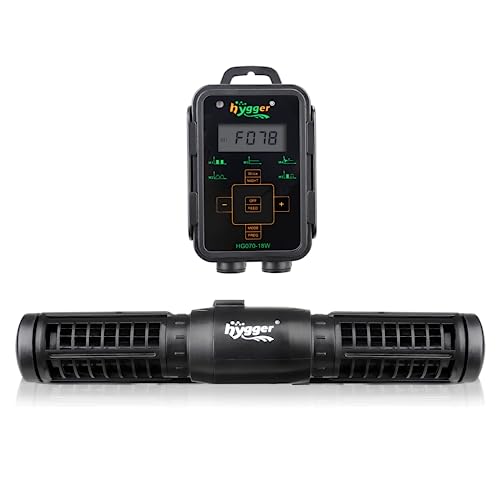
- 1TOP CHOICEBest overallhygger Aquarium Wave Maker, 18W Adjustable Cross Flow PumpView on Amazon
- 2
 TOP CHOICEBest for large reef systemshygger 2100GPH Double Head Aquarium Wave MakerView on Amazon
- 3
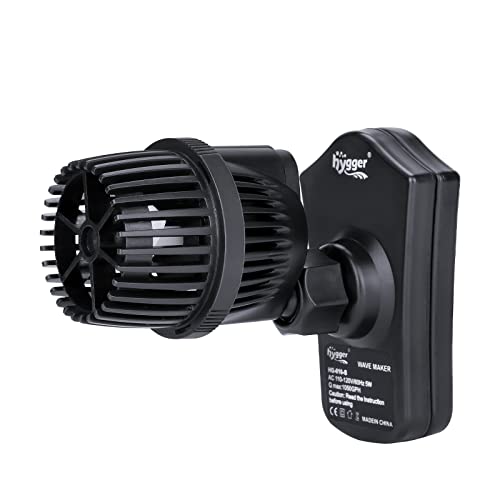 TOP CHOICEBest for mid-size tankshygger 1050 GPH Aquarium Wave Maker PumpView on Amazon
- 4
 Best budget pickPawfly Wave Maker for Aquarium, 550 GPHView on Amazon
- 5
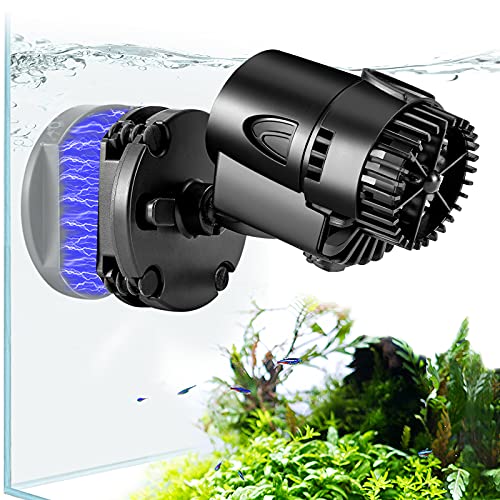 Best for nano and small tanksAQQA Wave Maker, 530GPH Aquarium Circulation PumpView on Amazon
Our Top Picks
Quick Comparison
| Product | Best for | Key feature |
|---|---|---|
| hygger Aquarium Wave Maker, 18W Adjustable Cross Flow Pump | Reef tanks up to 135 gallons | LED display controller and adjustable flow |
| hygger 2100GPH Double Head Aquarium Wave Maker | Large 40 to 110 gallon systems | Two heads for wide, multi-direction flow |
| hygger 1050 GPH Aquarium Wave Maker Pump | 20 to 60 gallon freshwater and saltwater tanks | Ultra-quiet 360-degree rotating head |
| Pawfly Wave Maker for Aquarium, 550 GPH | 15 to 80 gallon fish tanks on a budget | Quiet operation with a strong magnetic base |
| AQQA Wave Maker, 530GPH Aquarium Circulation Pump | Small and nano tanks | Compact 360-degree rotatable head |
hygger Aquarium Wave Maker, 18W Adjustable Cross Flow Pump
hygger Aquarium Wave Maker, 18W Adjustable Cross Flow Pump with LED Display Controller, Magnetic DC 24V Aquarium Powerhead for Freshwater and Marine Reef Aquariums Up to 135 Gallon
Best for: Overall reef and mixed-use tanks up to about 135 gallons where adjustable flow matters.
This is the most versatile unit in the group. Its controller and display let you dial flow up or down without reaching into the tank, which suits keepers who want to change the wave pattern for corals or fish. It is listed for both freshwater and marine use.
Key specs
- Listed power: 18W
- Magnetic DC 24V design
- Adjustable cross flow with LED display controller
- Rated for tanks up to 135 gallons
Pros
- Adjustable flow through the controller
- Covers a wide range of tank sizes
- Suitable for both freshwater and marine tanks
Cons
- Requires a power supply and controller setup that some beginners find less simple than a plug-and-run pump
- Larger footprint than the smallest magnetic units
Bottom line: A strong first choice for reef keepers who want adjustable flow and a single pump that scales to a large display.
View on Amazonhygger 2100GPH Double Head Aquarium Wave Maker
hygger 2100GPH Double Head Aquarium Wave Maker, Quiet 5W Aquarium Circulation Pump, with Strong Magnetic Suction Base, 360°Adjustable Power Head, for 40~110 Gal Tank
Best for: Large 40 to 110 gallon systems that need broad, multi-direction flow from one unit.
The double-head design spreads water movement across a wider area than a single powerhead. Owners of long tanks often use this style to avoid dead spots behind rockwork.
Key specs
- Listed flow: 2100 GPH
- Double head with 360-degree adjustable heads
- Strong magnetic suction base
- Listed for 40 to 110 gallon tanks
Pros
- Covers a wide area with one unit
- Heads adjust independently for targeted flow
- Magnetic base is designed for glass mounting
Cons
- Strong flow may be too much for delicate soft corals if not positioned carefully
- Two heads mean more to clean and position
Bottom line: Best suited to larger tanks where one pump needs to cover a big footprint.
View on Amazonhygger 1050 GPH Aquarium Wave Maker Pump
hygger 1050 GPH Aquarium Wave Maker Pump with Strong Magnetic Suction Base, Ultra-quiet 360 Degree Rotating Submersible Power Head, for 20-60 Gal Freshwater Saltwater Tank
Best for: Mid-size freshwater and saltwater tanks, especially where noise in the living room is a concern.
This model is aimed at the 20 to 60 gallon range. Its rotating head lets you direct flow across the front glass or toward the surface.
Key specs
- Listed flow: 1050 GPH
- 360-degree rotating submersible head
- Strong magnetic suction base
- Listed for 20 to 60 gallon tanks
Pros
- Marketed as ultra-quiet for its flow class
- Rotating head is easy to aim
- Good match for mid-size tanks
Cons
- Not intended for very large reef systems
- Flow is fixed by the unit rather than adjustable through a controller
Bottom line: A sensible pick for a 20 to 60 gallon tank where quiet operation is a priority.
View on AmazonPawfly Wave Maker for Aquarium, 550 GPH
Pawfly Wave Maker for Aquarium, 550 GPH Aquarium Powerhead, Quiet Submersible Wavemaker for 15-80 Gallon Fish Tanks, Water Circulation Pump with Powerful Magnetic Base
Best for: Budget-minded fish keepers with tanks in the 15 to 80 gallon range.
This is a straightforward magnetic powerhead aimed at fish tanks that need moderate circulation without a controller or complex setup.
Key specs
- Listed flow: 550 GPH
- Powerful magnetic base
- Listed for 15 to 80 gallon fish tanks
- Submersible, quiet operation as stated by the maker
Pros
- Simple setup with a magnetic mount
- Good range of tank sizes for its flow rate
- Suitable as a budget pick for fish-only systems
Cons
- Fixed flow with no controller
- Lower flow may be insufficient for demanding reef corals
Bottom line: A practical choice for fish tanks that need basic water movement on a tight budget.
View on AmazonAQQA Wave Maker, 530GPH Aquarium Circulation Pump
AQQA Wave Maker, 530GPH Aquarium Circulation Pump | 360 Degree Rotatable Submersible Powerhead with Magnet Suction Base for Marine and Freshwater Aquariums(3W)
Best for: Small and nano tanks where a compact magnetic pump is easier to fit and hide.
At 530 GPH, this unit is sized for smaller volumes. Its 360-degree rotating head helps aim flow without repositioning the whole unit.
Key specs
- Listed flow: 530 GPH
- Listed power: 3W
- 360-degree rotatable submersible design
- Magnetic suction base for marine and freshwater use
Pros
- Compact and low-power
- Rotating head for easy aiming
- Suitable for both marine and freshwater listings
Cons
- Not suited to large tanks or strong reef flow needs
- Smaller flow means limited coverage in larger footprints
Bottom line: A good fit for nano tanks and small builds where space and power draw are limited.
View on AmazonBuying Guide
Magnetic Base Strength and Glass Thickness
Magnetic bases are only as good as their grip on your glass. Check that the base is rated for the glass thickness of your tank and that the magnet sits flat. Thick acrylic or back-panel mounting may need a different solution. Clean the glass before mounting to avoid slipping.
Good picks for this: hygger 2100GPH Double Head Aquarium Wave Maker, Pawfly Wave Maker for Aquarium, 550 GPH
Flow Rate Matched to Tank Size
Flow is usually given in gallons per hour (GPH). A common planning rule is to aim for several times the tank volume per hour for reef flow, but the right number depends on your livestock. Soft corals and fish with slow swimming habits generally need gentler flow than LPS or SPS corals. Start lower and increase gradually.
Good picks for this: hygger Aquarium Wave Maker, 18W Adjustable Cross Flow Pump, hygger 1050 GPH Aquarium Wave Maker Pump
Adjustable Versus Fixed Flow
Units with a controller let you change flow over time, which helps when you are dialing in corals or fish behavior. Fixed-flow units are simpler and often quieter to set up. Decide whether you want to manage a controller or prefer a plug-and-run pump.
Good picks for this: hygger Aquarium Wave Maker, 18W Adjustable Cross Flow Pump, Pawfly Wave Maker for Aquarium, 550 GPH
Head Design and Coverage
Single-head pumps create a directional stream, while double-head or rotating designs spread flow more evenly. Rotating heads help you aim water across rockwork and away from sensitive corals. For wider tanks, consider whether one head can cover the full footprint.
Good picks for this: hygger 2100GPH Double Head Aquarium Wave Maker, AQQA Wave Maker, 530GPH Aquarium Circulation Pump
Noise Levels
Pump noise can be audible in quiet rooms, especially at night. Manufacturers often describe their pumps as quiet, but actual noise depends on mounting, water level and the surface the pump touches. Mounting the pump slightly below the waterline and avoiding contact with the glass lid can reduce hum.
Good picks for this: hygger 1050 GPH Aquarium Wave Maker Pump, Pawfly Wave Maker for Aquarium, 550 GPH
Power Draw and Electrical Safety
Check the listed wattage and whether the unit runs on AC or a DC power supply. Use a GFCI outlet near the tank and keep cords out of the water and away from splash zones. Electrical work near water should be done carefully. If you are unsure about wiring, consult a licensed electrician.
Good picks for this: AQQA Wave Maker, 530GPH Aquarium Circulation Pump, hygger Aquarium Wave Maker, 18W Adjustable Cross Flow Pump
Maintenance and Durability
Magnetic pumps collect algae and detritus on the impeller and intake. Plan to rinse the unit at each water change and inspect the magnet seal. Clean the impeller with a soft brush, not abrasive pads, to protect the housing.
Good picks for this: hygger 2100GPH Double Head Aquarium Wave Maker, hygger 1050 GPH Aquarium Wave Maker Pump
FAQ
What does an aquarium wave maker magnet do?
It is a submersible pump with a magnetic base that attaches to the inside glass of the tank. It moves water to improve circulation, oxygen exchange and debris movement, which many reef keepers consider important for coral health.
How do I know what flow rate my tank needs?
Start with the tank volume and the livestock you keep. Soft corals and fish with calm habits usually need lower flow, while many LPS and SPS corals prefer more movement. Adjust gradually and watch your animals for signs of stress.
Can I use a magnetic wave maker in a freshwater tank?
Several of the listings above are described for both freshwater and marine tanks. Check the manufacturer’s stated use for the specific model before buying, and match flow to your fish and plants.
Will the magnet scratch my glass?
Magnetic bases can trap grit between the pad and the glass, which may cause scratches over time. Wipe the glass and the base before mounting, and reposition the pump periodically.
Is a magnetic wave maker better than a standard powerhead?
Magnetic mounts are easier to position and remove, which many keepers prefer. Standard powerheads often use suction cups or clamps. Both can work well. For a comparison, see our article on power heads versus wave makers.
See also Aquarium Wave Maker vs Power Head (2026): Which Is Better for Your Reef? for more on the trade-offs.
How often should I clean a magnetic wave maker?
Rinse the impeller and intake during regular water changes, or whenever flow drops noticeably. Heavy algae or debris buildup reduces output and can increase noise.
Should I consult a professional before wiring my pump?
Yes, if you are unsure about electrical safety near water. A licensed electrician can confirm your outlet is protected and your power setup is appropriate for the tank.
Conclusion
For most reef keepers, the hygger Aquarium Wave Maker with adjustable cross flow offers the most control across a range of tank sizes. Larger systems may benefit from the double-head hygger 2100GPH model, while mid-size tanks suit the quieter hygger 1050 GPH. Budget-focused fish keepers may prefer the Pawfly unit, and nano tanks are better served by the compact AQQA pump. Match flow to your livestock and tank size, and verify each specification against the manufacturer’s listing before you buy.
Sources
- Background on ocean and reef ecosystems and water movement in natural reef environments (noaa.gov)
- General information on water quality, dissolved oxygen and circulation in aquatic systems (usgs.gov)
- Electrical and water safety guidance relevant to using equipment near aquariums (cdc.gov)
Related reading
- Wave Maker for Aquarium: How to Choose and Set One Up in 7 Steps
- Marine Aquarium Wave Maker: 5 Best Picks Compared (2026)
- Hygger Aquarium Wave Maker: How to Choose, Set Up and Tune Flow (2026)
- Hygger 1850 GPH 18W Aquarium Wave Maker: Setup and Tuning Guide
- Aquarium Wave Maker Size: How to Pick the Right Flow for Your Reef Tank (2026)
About Caleb Morgan
Caleb Morgan is part of our editorial team and reviews and edits our reef & saltwater aquariums guides, checking product details against manufacturer specifications and owner feedback.
About the author
Caleb Morgan writes reviews and buying guides for My Reef Aquarium.