How to Read Refractometer Scale: 6 Best Picks for Reef Tanks (2026)
Learn how to read refractometer scale for reef salinity, and compare six refractometers by use case, scale range and build to find the right one for your tank.
 By Caleb Morgan
Updated November 24, 2026
 By Caleb Morgan
Updated November 2026
Learning how to read refractometer scale markings is the first step to accurate salinity readings in a reef tank, and choosing the right instrument makes that reading far easier. The refractometers below were selected on published specifications, brand reputation and common owner feedback patterns, with attention to scale range, temperature compensation, and whether each model suits saltwater, brewing, coolant or gemstone work. Each pick is matched to a specific need so you can see at a glance which one fits your situation.
Our top picks at a glance
- 1TOP CHOICEBest overallAde Advanced Optics Dual Scale 1.0 to 1.070 S.G. Salinity RefractometeView on Amazon
- 2
 TOP CHOICEBest for reef salinityAUNMAS Refractometer Dual Scale, 0 to 32 Percent RangeView on Amazon
- 3
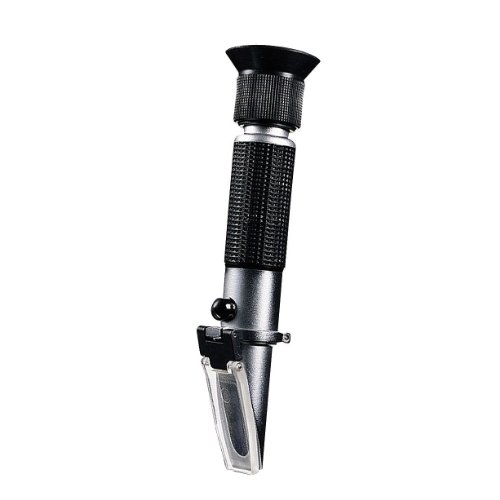
 TOP CHOICEBest for brewingaichose Brix Refractometer with ATC, Dual Scale – Specific Gravity & BrixView on Amazon
- 4
 Best for coolant checksVee Gee Scientific CTX-2 Handheld Refractometer, with Antifreeze/Coolant ScalesView on Amazon
- 5
 Best premium optionAtago 3852 Digital Hand Held Pocket Dual Scale RefractometerView on Amazon
- 6
 Best for gemstonesFTVOGUE Gemstone Refractometer, 1.30 to 1.81 Scale, Pocket SizeView on Amazon
Our Top Picks
| Product | Best for | Key feature |
|---|---|---|
| Ade Advanced Optics Dual Scale 1.0 to 1.070 S.G. Salinity Refractometer | Reef and seawater salinity | Specific gravity scale from 1.000 to 1.070 |
| AUNMAS Refractometer Dual Scale | Budget saltwater and sugar testing | Automatic temperature compensation |
| aichose Brix Refractometer with ATC | Brewing and winemaking | Dual Brix and specific gravity scales |
| Vee Gee Scientific CTX-2 Handheld Refractometer | Antifreeze and coolant | Freezing point scale to -50°F |
| Atago 3852 Digital Hand Held Pocket Dual Scale Refractometer | Precision lab-style readings | Digital dual scale with wide range |
| FTVOGUE Gemstone Refractometer | Gemstone identification | Refractive index scale 1.30 to 1.81 |
Ade Advanced Optics Dual Scale 1.0 to 1.070 S.G. Salinity Refractometer for Aquarium & Seawater
Ade Advanced Optics Dual Scale 1.0 to 1.070 S.G. Salinity Refractometer for Aquarium & Seawater
Best for: Reef and seawater salinity checks
This is the model most reefers reach for when they want a dedicated salinity instrument. It suits anyone who mixes saltwater or tops off a system and needs a clear specific gravity reading.
Key specs If you want more background, see Orange Cat Behavior in Humans: 7 Traits and How to Read Them.
- Specific gravity scale range of 1.000 to 1.070 S.G.
- Dual scale design for salinity work
Pros
- Scale is built specifically for seawater salinity
- Simple optical design with a direct readout
- Widely recognized in the aquarium hobby
Cons
- Requires manual temperature correction for accuracy
- Calibration with distilled water must be done regularly
Bottom line: The right choice for reefers who want a focused salinity tool. Pick this if you mainly care about saltwater.
View on AmazonAUNMAS Refractometer Dual Scale, 0 to 32 Percent Range
AUNMAS Refractometer Dual Scale, 0 to 32 Percent Range | ABS, Auto Temperature Compensation, Dual Scale Sugar Testing Tool for Brewing, Beverage,
Best for: Budget saltwater and sugar testing
Suited to hobbyists who want a lower-cost instrument that handles salinity and sugar readings. Owners often report it works well for occasional checks.
Key specs
- 0 to 32 percent measurement range
- Dual scale design
- Automatic temperature compensation
Pros
- Automatic temperature compensation reduces manual correction
- Lightweight ABS housing
- Useful for both saltwater and beverage testing
Cons
- Scale is percentage-based, so reef users must confirm the salinity mapping
- Plastic construction is less rugged than metal-housed models
Bottom line: A sensible budget pick for hobbyists who want temperature compensation without spending heavily.
View on Amazonaichose Brix Refractometer with ATC, Dual Scale – Specific Gravity & Brix
aichose Brix Refractometer with ATC, Dual Scale – Specific Gravity & Brix, Hydrometer in Wine Making and Beer Brewing, Homebrew Kit
Best for: Brewing and winemaking
Designed for homebrewers and winemakers who measure sugar content in wort or must. It is less suited to reef salinity unless you convert readings carefully.
Key specs
- Dual scale for Brix and specific gravity
- Automatic temperature compensation
Pros
- Clear dual scale suits fermentation work
- Automatic temperature compensation included
- Compact handheld size
Cons
- Brix scale does not directly read reef salinity
- Not designed for marine salt measurement
Bottom line: A strong choice for brewers. Reef keepers should look at a salinity-specific model instead.
View on AmazonVee Gee Scientific CTX-2 Handheld Refractometer, with Antifreeze/Coolant Scales
Vee Gee Scientific CTX-2 Handheld Refractometer, with Antifreeze/Coolant Scales, -50 to 32 degree F Freezing Point
Best for: Antifreeze and coolant checks
Intended for automotive and HVAC users who need to verify freezing point protection in coolant. It is not a saltwater instrument, though its refractive principle is the same.
Key specs
- Freezing point scale from -50°F to 32°F
- Antifreeze and coolant scales
Pros
- Clear freezing point readout for coolant work
- Handheld and easy to carry
- Well suited to a single, specific task
Cons
- Scales do not cover saltwater salinity
- Limited use outside coolant checks
Bottom line: Ideal for coolant testing. Not the right pick for reef salinity.
View on AmazonAtago 3852 Digital Hand Held Pocket Dual Scale Refractometer
Atago 3852 Digital Hand Held Pocket Dual Scale Refractometer, 0.0 to 93.0% Brix and 1.3306 to 1.5284 Refractive Index Measurement Range
Best for: Precision readings where a digital display is preferred
Aimed at users who want a digital readout and a wide measurement range across sugar and refractive index scales. It suits anyone who values repeatable numbers over a traditional optical view.
Key specs
- Brix range of 0.0 to 93.0 percent
- Refractive index range of 1.3306 to 1.5284
- Digital dual scale display
Pros
- Digital readout reduces reading interpretation errors
- Wide measurement range
- Pocket-sized and easy to handle
Cons
- Higher-end pricing tier than most hobby models
- Its Brix and index scales are not labeled for reef salinity
Bottom line: A premium option for users who want digital precision and do not mind a non-marine scale.
View on AmazonFTVOGUE Gemstone Refractometer, 1.30 to 1.81 Scale, Pocket Size
FTVOGUE Gemstone Refractometer, 1.30 to 1.81 Scale, Pocket Size | Jewelry testing tool, Clear view with flashlight, Aluminum housing with refractive oil for field use
Best for: Gemstone identification
Built for jewelers and gem hobbyists who need refractive index readings from 1.30 to 1.81. It is a specialty tool rather than an aquarium instrument.
Key specs
- Refractive index scale 1.30 to 1.81
- Pocket size with built-in flashlight
- Aluminum housing
Pros
- Covers the gemstone refractive index range
- Built-in light helps in dim settings
- Durable aluminum housing
Cons
- No salinity or specific gravity scale for reef use
- Requires refractive oil for accurate gem readings
Bottom line: Excellent for gem work and not intended for saltwater tanks.
View on AmazonBuying Guide
Scale Range and Type
Check whether the scale matches your task. Reef keepers need a specific gravity or salinity scale, typically spanning 1.000 to 1.070 S.G. Brewers need Brix, and coolant users need freezing point scales. A model with the wrong scale will give numbers that look plausible but mean nothing for your tank.
Good picks for this: Ade Advanced Optics Dual Scale 1.0 to 1.070 S.G. Salinity Refractometer, AUNMAS Refractometer Dual Scale
Temperature Compensation
Refractometer readings shift with temperature. Models with automatic temperature compensation (ATC) reduce manual correction. Manual models require you to read the temperature and adjust the value using the manufacturer’s chart. Both approaches work if you apply them consistently.
Good picks for this: AUNMAS Refractometer Dual Scale, aichose Brix Refractometer with ATC
Build Quality and Durability
Aluminum housings tend to hold up better than plastic when they get knocked around or splashed with salt. Owners often report that plastic bodies stay accurate for years when kept clean and rinsed after use, but the lens and prism matter more than the housing.
Good picks for this: Atago 3852 Digital Hand Held Pocket Dual Scale Refractometer, FTVOGUE Gemstone Refractometer
Use Case and Application
Match the instrument to what you actually measure. A saltwater refractometer, a brewing unit and a coolant tester can look similar but are calibrated for different substances. Buying the wrong one is the most common mistake new buyers make.
Good picks for this: Vee Gee Scientific CTX-2 Handheld Refractometer, aichose Brix Refractometer with ATC
Calibration Support
Every refractometer should be calibrated with distilled water before use. Look for a model with a clear calibration screw or a readable zero line. Manufacturers generally specify distilled water as the calibration standard, so plan to keep a bottle on hand.
Good picks for this: Ade Advanced Optics Dual Scale 1.0 to 1.070 S.G. Salinity Refractometer, Atago 3852 Digital Hand Held Pocket Dual Scale Refractometer
Readability and Light
Small scale lines are hard to read in a dim room or under reef lighting. A built-in light or a clear optical field helps. Consider your eyesight as well, since fine graduations can be tiring to read for long sessions.
Good picks for this: FTVOGUE Gemstone Refractometer, AUNMAS Refractometer Dual Scale
Maintenance and Care
Rinse the prism with fresh water after each use and dry it gently. Salt residue left on the lens can cloud readings over time. Store the instrument in a protected case away from heat to preserve calibration.
Good picks for this: Ade Advanced Optics Dual Scale 1.0 to 1.070 S.G. Salinity Refractometer, Vee Gee Scientific CTX-2 Handheld Refractometer
FAQ
How do I read a refractometer scale for reef salinity?
Place a drop of water on the prism, close the cover, and look through the eyepiece toward a light source. The boundary between the light and dark fields crosses the scale. Read the specific gravity value at that line. Most reef keepers target a reading around 1.025 S.G. at typical reef temperatures, though you should confirm the target for your own system.
Why does my refractometer reading change with temperature?
Water density changes with temperature, which shifts the refractive index. Automatic temperature compensation corrects for this internally. Manual models need a correction factor from the manufacturer’s chart. Taking readings at a stable room temperature improves consistency.
How do I calibrate a refractometer?
Place a few drops of distilled water on the prism and close the cover. The line should read zero on the scale. If it does not, adjust the calibration screw until it aligns. Manufacturers generally recommend distilled water as the reference standard.
Can I use a Brix refractometer for saltwater?
A Brix refractometer measures sugar content, not salt. Its scale does not map directly to reef salinity, so readings will not match saltwater values. Use a salinity or specific gravity refractometer for marine tanks.
What specific gravity should I aim for in a reef tank?
Many reef keepers aim for a specific gravity near 1.025 at about 77°F, but the exact target depends on your livestock and your salt mix instructions. Check the mix manufacturer’s guidance and keep changes gradual.
How often should I check salinity with a refractometer?
Checking at least once a week and after each water change is a common routine. Frequent checks help catch evaporation, which concentrates salt over time. Always log readings so trends are easy to spot.
Does a refractometer need regular cleaning?
Yes. Rinse the prism with fresh water after every use and dry it gently with a soft cloth. Salt crust on the prism can blur the boundary line and make the reading harder to interpret.
Conclusion
Understanding how to read refractometer scale markings comes down to choosing the right instrument and reading the boundary line carefully. For reef salinity, the Ade Advanced Optics Dual Scale 1.0 to 1.070 S.G. Salinity Refractometer is the most task-specific pick, while the AUNMAS model suits budget-minded hobbyists who want temperature compensation. Brewers should consider the aichose Brix model, coolant users the Vee Gee CTX-2, and gem hobbyists the FTVOGUE. Match the scale to your task, calibrate with distilled water, and keep the prism clean for readings you can trust.
Sources
- Background on water density, salinity and how dissolved solids affect water properties (usgs.gov)
- Information on seawater salinity and its measurement in oceanographic contexts (noaa.gov)
- Standards and measurement guidance relevant to refractive index and calibration practices (nist.gov)
Before you buy: helpful guides
Related reading
- How to Calibrate Refractometer with Distilled Water: 7 Best Picks (2026)
- Par Meter Reef Tank: How to Read and Use One for Stable Coral Lighting
About Caleb Morgan
Caleb Morgan is part of our editorial team and reviews and edits our reef & saltwater aquariums guides, checking product details against manufacturer specifications and owner feedback.
About the author
Caleb Morgan writes reviews and buying guides for My Reef Aquarium.