5 Best Jbj Nano Auto Top Off Systems for Reef Tanks (2026)
Compare five jbj nano auto top off options for reef tanks. See which ATO system fits your sump, tank size and reliability needs before you buy.
 By Emily Parker
Updated November 14, 2026
 By Emily Parker
Updated November 2026
Choosing a jbj nano auto top off system comes down to a handful of practical questions: how big your sump is, whether you want a dedicated controller or a simple float-style sensor, how much you trust your water source, and how much fiddling you are willing to do after setup. This guide looks at five auto top off options that reef keepers commonly consider alongside the JBJ nano ATO, using published specifications, brand reputation and the patterns owners tend to describe in their feedback. The selection criteria were sensor type and reliability, fit for nano and small sumps, ease of calibration, safety features against overflow and pump run-dry, and build quality.
Our top picks at a glance
- 1TOP CHOICEBest overallJBJ Nano ATO Advanced Auto-Top-Off SystemView on Amazon
- 2
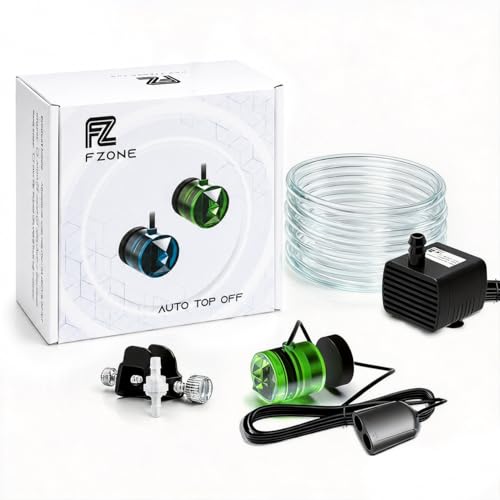 TOP CHOICEBest for small kitchensFZONE ATO System with Dual Optical SensorsView on Amazon
- 3
 TOP CHOICEBest budget pickClscea Aquarium Auto Top Off SystemView on Amazon
- 4
 Best for nano sumpsAuto Top Off Saltwater Freshwater Aquarium Anti-Overflow ATOView on Amazon
- 5
 Best for dual-sensor redundancyMagTool Auto Top Off SystemView on Amazon
Our Top Picks
Quick Comparison
| Product | Best for | Key feature |
|---|---|---|
| JBJ Nano ATO Advanced Auto-Top-Off System | Nano tanks wanting a familiar brand | Compact reservoir-based ATO for small sumps |
| FZONE ATO System with Dual Optical Sensors | Small kitchens and tight cabinets | Dual optical sensors for level control |
| Clscea Aquarium Auto Top Off System | Budget-minded hobbyists | Simple float-based water filler |
| Auto Top Off Saltwater Freshwater Aquarium Anti-Overflow ATO | Nano sumps needing a sealed setup | Sealed design with one-piece probe |
| MagTool Auto Top Off System | Owners who want sensor redundancy | Dual optical sensor design |
JBJ Nano ATO Advanced Auto-Top-Off System
JBJ Nano ATO Advanced Auto-Top-Off System
Best for: Nano tanks where the owner wants a well-known brand and a straightforward reservoir-and-pump setup.
This is the system most reef keepers searching this term are looking for. It suits nano aquariums and small sumps where space is limited and the reservoir needs to sit neatly beside or behind the tank.
Key specs
- Designed for nano and small-volume reef sumps
- Pump-driven top-off with a level sensor in the display sump
- Reservoir sized for freshwater or RO/DI top-off
Pros
- Brand name with wide familiarity among nano keepers
- Compact footprint for small stands and canopies
- Setup steps are widely documented by owners
Cons
- Sensor placement needs care to avoid false triggers from splashing
- Reservoir capacity requires regular refilling on larger nano builds
Bottom line: A strong first choice for nano reefers who want a recognizable brand and a compact, proven layout.
View on AmazonFZONE ATO System with Dual Optical Sensors
FZONE ATO System, Auto Top Off with Dual Optical Sensors for Aquarium Green | Dual optical sensor ATO system for reef and freshwater tanks, with precise water level control and stable operation
Best for: Small kitchens and tight cabinets where a compact, sensor-based system is the priority.
Owners who want a dual-sensor design in a small package often look at this type of system. It is aimed at reef and freshwater tanks where precise level control matters more than a large reservoir.
Key specs
- Dual optical sensor configuration for level detection
- Suitable for reef and freshwater tanks
Pros
- Optical sensors avoid mechanical float wear
- Dual sensing adds a layer of level verification
- Compact layout suits tight spaces
Cons
- Optical sensors need to be kept clean of salt creep
- Calibration takes patience on first setup
Bottom line: Good for hobbyists who value sensor redundancy in a small footprint.
View on AmazonClscea Aquarium Auto Top Off System
Clscea Aquarium Auto Top Off System Water Filler Compensator Blue, 1pcs
Best for: Budget-minded hobbyists who want basic automatic water replacement without a premium controller.
This is a simpler water filler and compensator style unit. It fits owners running modest nano tanks who are comfortable checking the system regularly.
Key specs
- Single-unit auto top off design
- Blue finish, one piece per listing
Pros
- Straightforward concept that is easy to understand
- Low-complexity install for a first ATO
- Good backup option alongside a manual check routine
Cons
- Fewer safety features than dual-sensor systems
- Owners should verify compatibility with their sump height
Bottom line: A sensible pick when the budget is tight and the tank is small enough to monitor closely.
View on AmazonAuto Top Off Saltwater Freshwater Aquarium Anti-Overflow ATO
Auto Top Off Saltwater Freshwater Aquarium, Anti-Overflow ATO Reef Tank | sealed, mini top off, one piece probe, no flood, nano sump, easy setup, silent, reef safe, 2-year warranty, AI smart
Best for: Nano sumps that need a sealed, quiet system with an anti-overflow focus.
The listing emphasizes a sealed design, a one-piece probe, anti-overflow protection and a compact profile for nano sumps. It is aimed at reef and freshwater keepers who want low noise and minimal parts.
Key specs
- Sealed construction listed in the product name
- One-piece probe design
- Marketed as silent and reef safe
Pros
- Anti-overflow focus addresses a common failure mode
- One-piece probe simplifies installation
- Sealed design suits nano sump environments
Cons
- Advertised smart features should be checked against the manual
- Sealed systems can be harder to inspect without partial disassembly
Bottom line: Worth a look for nano reefers who prioritize overflow protection and a quiet, compact build.
View on AmazonMagTool Auto Top Off System
MagTool Auto Top Off System for Saltwater Aquarium, ATO Aquarium Auto Top Off with Dual Optical Sensor for Reef & Fresh Tanks -Blue
Best for: Owners who want dual optical sensing for saltwater and freshwater tanks.
MagTool systems are generally discussed by owners who want a second level of confirmation rather than relying on one sensor. This model is positioned for reef and fresh tanks alike.
Key specs
- Dual optical sensor design
- Rated for saltwater and freshwater aquariums
Pros
- Dual sensors add redundancy
- Optical sensing avoids moving float parts
- Works across saltwater and freshwater setups
Cons
- Sensor cleaning is needed in salty environments
- Owners should confirm pump and reservoir fit for their sump
Bottom line: A solid choice for those who want redundancy and optical sensing in one system. Nano Reef Tank Aquascape: A Step-by-Step Guide for Beginners goes further into this.
View on AmazonBuying Guide
Sensor Type and Reliability
Float switches, optical sensors and probe-based sensors each fail in different ways. Optical sensors avoid moving parts but need periodic cleaning of salt creep. Float systems are simple but can stick. Dual-sensor designs add a second check, which many owners consider important for preventing a pump from running dry.
Good picks for this: JBJ Nano ATO Advanced Auto-Top-Off System, MagTool Auto Top Off System
Sump Size and Fit
Measure the space between your sump’s water line and its lid before buying. Nano sumps often have limited clearance, so check reservoir height, pump footprint and cable routing. A system that fits your cabinet with room for maintenance access is more practical than one that only fits on paper.
Good picks for this: FZONE ATO System with Dual Optical Sensors, Auto Top Off Saltwater Freshwater Aquarium Anti-Overflow ATO
Reservoir Capacity
Estimate evaporation in gallons per day, then size the reservoir for at least several days. Many keepers refill weekly, so a reservoir that runs low quickly means more frequent attention. Owners of nano tanks often find a modest reservoir sufficient.
Good picks for this: JBJ Nano ATO Advanced Auto-Top-Off System, Clscea Aquarium Auto Top Off System
Anti-Overflow Protection
The most important safety feature is a shutoff that stops the pump if the sensor fails or water rises unexpectedly. Look for systems that describe anti-overflow behavior clearly, and test the cutoff during setup by manually raising the water level if the design allows.
Good picks for this: Auto Top Off Saltwater Freshwater Aquarium Anti-Overflow ATO, MagTool Auto Top Off System
Water Source and Compatibility
Use RO/DI water or a matched top-off source. Pure water without dissolved solids can shift salinity over time, while tap water can introduce contaminants. Confirm that the system is designed for the water type you use, and avoid running salt water through a system not rated for it.
Good picks for this: JBJ Nano ATO Advanced Auto-Top-Off System, FZONE ATO System with Dual Optical Sensors
Ease of Calibration and Maintenance
Plan for an initial calibration session and periodic cleaning. Sensors, tubing and reservoirs all need attention. Systems with clear setup documentation are easier to live with over time. Mark your sensor height once it is set, so a future cleaning does not cause drift.
Good picks for this: Clscea Aquarium Auto Top Off System, FZONE ATO System with Dual Optical Sensors
Noise and Pump Quality
Pump noise matters in living rooms and bedrooms. Owners often report that sealed or well-mounted pumps are quieter. Check the listing for noise claims and consider vibration isolation if the reservoir sits on a hard surface.
Good picks for this: Auto Top Off Saltwater Freshwater Aquarium Anti-Overflow ATO, JBJ Nano ATO Advanced Auto-Top-Off System
FAQ
What does a jbj nano auto top off system actually do?
It monitors the water level in your sump and adds fresh water automatically to replace what evaporates. This keeps salinity stable between manual top-offs.
Should I use RO/DI water with an auto top off?
Yes, most reef keepers use RO/DI water because it contains few dissolved solids. Tap water can introduce contaminants and unwanted nutrients.
How often should I clean the sensors?
Check monthly, especially in saltwater setups. Salt creep on optical or probe sensors can cause false readings. Clean with fresh water and a soft cloth.
What is the main risk with an ATO?
The main risks are a stuck sensor causing overflow or a pump running dry. Anti-overflow protection and regular checks reduce both risks.
Can I use one system for both freshwater and saltwater tanks?
Some models are rated for both, but confirm the listing and manual before doing so. Use dedicated water types and clean the system when switching.
Do I still need to check my tank manually?
Yes. Even the best ATO benefits from a weekly visual check of the reservoir, pump, tubing and sensor. Automation reduces work but does not replace monitoring.
Conclusion
For most nano reefers, the JBJ Nano ATO Advanced Auto-Top-Off System is a sensible starting point because of its compact layout and brand familiarity. Owners with very small kitchens may prefer the FZONE dual-optical design. Budget-focused hobbyists can consider the Clscea unit with close monitoring. Those prioritizing anti-overflow protection in a sealed nano sump should look at the anti-overflow ATO listing, while MagTool suits anyone who wants dual-sensor redundancy. Match the system to your sump size, water source and how closely you are willing to supervise it.
Sources
- General guidance on water quality and treatment considerations for household water sources (epa.gov)
- Electrical safety information relevant to pumps and powered aquarium equipment (cpsc.gov)
- Guidance on efficient pump and motor operation (energy.gov)
Related reading
- Tunze Osmolator 3 Nano Auto Top Off: Setup and Calibration in 7 Steps
- Top 7 Auto Top Offs for Nano Tank Systems with Reliable Sensing
- Red Sea Max Nano Auto Top Off: Setup and Calibration in 7 Steps
- Osmolator 3 Nano Auto Top Off: 5 Best Systems for Reef Tanks (2026)
About Emily Parker
Emily Parker is part of our editorial team and reviews and edits our reef & saltwater aquariums guides, checking product details against manufacturer specifications and owner feedback.
About the author
Emily Parker writes reviews and buying guides for My Reef Aquarium.