Top 5 Reef Tank Calcium Test Kits Compared for Accurate Water Checks
Compare the best reef tank calcium test kit options for accurate saltwater checks. See which kit fits your reef tank, testing habits and skill level.
 By Caleb Morgan
Updated November 22, 2026
 By Caleb Morgan
Updated November 2026
Choosing a reef tank calcium test kit comes down to a few practical questions: how often you plan to test, how precise you need the reading to be, and how much effort you want to put into each session. Calcium is one of the most important parameters in a reef aquarium, since stony corals use it to build their skeletons, and a reading that drifts even a little can signal a problem with your dosing or water changes. The picks below were chosen by comparing manufacturer specifications, long-standing brand reputation and common owner feedback patterns. None of them were tested in a lab by us, so treat this as a research-based guide rather than hands-on review.
Our top picks at a glance
- 1TOP CHOICEBest overallMonitor Calcium/Magnesium Test Kit for Coral & Reef (120 Tests)View on Amazon
- 2
 TOP CHOICEBest budget pickAPI Calcium Test Kit Saltwater Aquarium Water 1-Count Test KitView on Amazon
- 3
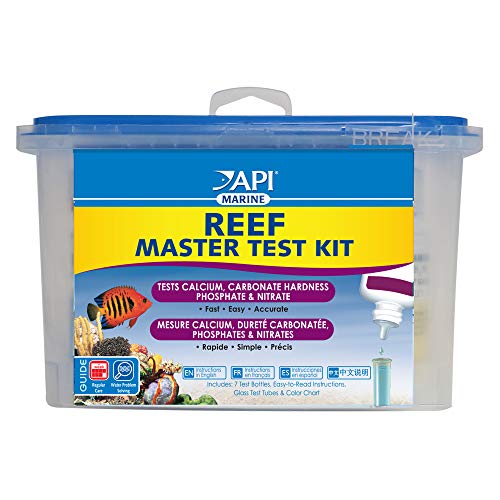 TOP CHOICEBest for a full reef checkAPI Reef Master Test Kit Reef Aquarium Water Test Kit 1-CountView on Amazon
- 4
 Best for dosing-focused reefersSalifert Alkalinity Calcium Magnesium Combo Test KitView on Amazon
- 5
 Best for lab-style analysisATI ICP-OES Lab Analysis Standard for Reef AquariumsView on Amazon
Our Top Picks
Quick Comparison
| Product | Best for | Key feature |
|---|---|---|
| Monitor Calcium/Magnesium Test Kit for Coral & Reef (120 Tests) | Reefers who test often | 120-test count for frequent checks |
| API Calcium Test Kit Saltwater Aquarium Water 1-Count | Budget-minded beginners | Simple single-parameter titration kit |
| API Reef Master Test Kit Reef Aquarium Water Test Kit 1-Count | Hobbyists wanting a broader check | Multi-parameter reef water panel |
| Salifert Alkalinity Calcium Magnesium Combo Test Kit | Dosing-focused reefers | Combined calcium, magnesium and alkalinity tests |
| ATI ICP-OES Lab Analysis Standard for Reef Aquariums | Detailed periodic analysis | Lab-style trace and major element profile |
Monitor Calcium/Magnesium Test Kit for Coral & Reef (120 Tests)
Monitor Calcium/Magnesium Test KIT for Coral & Reef (120 Tests)
Best for: Reefers who want a high test count for regular monitoring
This kit suits hobbyists who check calcium and magnesium several times a week during a dosing adjustment or after a new coral addition. The 120-test count means you are not rationing reagent every time you want a reading.
Key specs
- Listed as 120 tests in the product name
- Covers calcium and magnesium for coral and reef aquariums
Pros
- Large test count supports frequent checks
- Targets the two parameters most reefers track closely
- Reagent volume lasts through a long dosing period
Cons
- Covers fewer parameters than a multi-test panel
- Requires careful, consistent technique to get repeatable results
Bottom line: A strong choice for reefers who want economical, frequent calcium and magnesium checks without extra parameters.
View on AmazonAPI Calcium Test Kit Saltwater Aquarium Water 1-Count Test Kit
API CALCIUM TEST KIT Saltwater Aquarium Water 1-Count Test Kit
Best for: Budget-conscious beginners who want a straightforward calcium check
Newer saltwater keepers who only need to track calcium occasionally will find this a simple, familiar option. The API brand is widely recognized in the hobby, and owners often describe its color-matching process as easy to learn.
Key specs
- Single-parameter calcium test kit for saltwater aquariums
- 1-count package
Pros
- Simple, single-purpose design
- Well-known brand with broad availability
- Easy to use for occasional checks
Cons
- A 1-count package means limited tests per purchase
- Only covers calcium, so other parameters need separate kits
Bottom line: A sensible starting point for beginners who want a low-commitment calcium check.
View on AmazonAPI Reef Master Test Kit Reef Aquarium Water Test Kit 1-Count
API REEF MASTER TEST KIT Reef Aquarium Water Test Kit 1-Count
Best for: Hobbyists who want a broader reef water check in one kit
This kit suits reefers who prefer to test several parameters at once rather than buying a separate kit for each. It is a practical way to build a routine that covers more than calcium alone.
Key specs
- Multi-parameter reef water test kit
- 1-count package
Pros
- Covers several reef parameters in one purchase
- Good for building a regular testing habit
- Recognizable brand with clear instructions in most owner reports
Cons
- Multi-test panels can be less precise on each individual parameter than dedicated kits
- The 1-count format means reagents run out quickly if you test often
Bottom line: Best for hobbyists who want one kit to cover a broader reef water check, not just calcium.
View on AmazonSalifert Alkalinity Calcium Magnesium Combo Test Kit
Salifert Alkalinity Calcium Magnesium Combo Test Kit
Best for: Dosing-focused reefers who track calcium, magnesium and alkalinity together
If you dose two-part or calcium reactor systems, calcium, alkalinity and magnesium move together. A combo kit lets you see those relationships in one session, which is why this type of kit is popular with serious reefers.
Key specs
- Combination kit covering alkalinity, calcium and magnesium
Pros
- Tracks three linked parameters in one routine
- Well-regarded brand in reef circles
- Useful for balancing dosing across parameters
Cons
- More steps and reagents than a single-parameter kit
- Can be overwhelming for hobbyists new to titration
Bottom line: A strong pick for reefers managing a dosing system who want all three key parameters in view.
View on AmazonATI ICP-OES Lab Analysis Standard for Reef Aquariums
ATI ICP-OES Lab Analysis Standard for Reef Aquariums – Professional Water Testing – Salinity, Trace & Major Elements – 1 Test Kit
Best for: Detailed periodic analysis of major and trace elements
This is a different category from a home titration kit. It is aimed at hobbyists who want a fuller picture of their water chemistry, including salinity and trace elements, and are willing to send a sample for professional analysis. It is not a quick daily check.
Key specs
- Lab-style ICP-OES analysis for reef aquariums
- Covers salinity, major and trace elements
Pros
- Broad element coverage beyond calcium
- Useful for diagnosing unexplained trends
- Professional-grade analysis approach
Cons
- Not suited to daily or weekly home testing
- Turnaround time means results are not instant
Bottom line: Best for experienced reefers who want periodic deep analysis, not routine calcium checks.
View on AmazonBuying Guide
Test method: titration vs. photometric
Most home reef calcium kits use titration, where you add drops of reagent until a color change marks the endpoint. Titration is inexpensive and reliable when done carefully, but results depend on how consistently you count drops and read the color. Photometric systems use light measurement and tend to be more repeatable, though they cost more up front. Check which method a kit uses before buying.
Good picks for this: Monitor Calcium/Magnesium Test Kit for Coral & Reef (120 Tests), API Calcium Test Kit Saltwater Aquarium Water 1-Count Test Kit
Number of tests per kit
Divide the test count by how often you plan to check. Testing calcium twice a week for a year needs roughly 100 tests. A 1-count kit suits occasional checks, while a larger count fits a dosing period or a new tank that needs close watching.
Good picks for this: Monitor Calcium/Magnesium Test Kit for Coral & Reef (120 Tests), API Reef Master Test Kit Reef Aquarium Water Test Kit 1-Count
Number of parameters covered
Single-parameter kits are focused and easy to read. Combo and multi-parameter kits save time but mean more steps. Decide whether you want calcium on its own or want to see calcium, alkalinity and magnesium together as your dosing needs grow.
Good picks for this: Salifert Alkalinity Calcium Magnesium Combo Test Kit, API Reef Master Test Kit Reef Aquarium Water Test Kit 1-Count
Ease of reading the color or result
Color-matching kits can be harder to read under certain tank lighting or for people with color vision differences. Hold the sample against a white background in neutral light. If you find the endpoint hard to judge, a kit with clear reagent instructions and consistent drop counts will help.
Good picks for this: API Calcium Test Kit Saltwater Aquarium Water 1-Count Test Kit, Salifert Alkalinity Calcium Magnesium Combo Test Kit
Shelf life and reagent storage
Test reagents degrade over time, especially after exposure to heat or light. Check the expiration date when you buy, store kits away from sunlight and heat sources, and replace reagents that have gone past their date. Inaccurate reagent is one of the most common causes of misleading readings.
Good picks for this: Monitor Calcium/Magnesium Test Kit for Coral & Reef (120 Tests), API Reef Master Test Kit Reef Aquarium Water Test Kit 1-Count
Testing frequency and purpose
Daily or weekly routine checks call for an economical, repeatable kit. Occasional deep analysis, such as investigating a sudden drop in coral growth, calls for a broader panel or lab-style service. Match the kit to the job rather than buying one tool for everything.
Good picks for this: ATI ICP-OES Lab Analysis Standard for Reef Aquariums, Salifert Alkalinity Calcium Magnesium Combo Test Kit
Calibration and cross-checking
No home kit is perfect. Compare your reading with a second method from time to time, such as a different kit or a periodic lab analysis, especially if your results seem inconsistent with coral behavior. Calcium readings that disagree with a lab result by a wide margin are a signal to re-check your technique and reagent dates.
Good picks for this: ATI ICP-OES Lab Analysis Standard for Reef Aquariums, API Reef Master Test Kit Reef Aquarium Water Test Kit 1-Count
FAQ
How often should I test calcium in a reef tank?
Many reefers test calcium weekly for stable systems and more often during dosing changes or after adding new corals. A new tank or one with a calcium reactor may need closer monitoring for the first few weeks.
What is a normal calcium level for a reef tank?
Most reef keepers aim for a calcium range that is stable rather than chasing a single number. Commonly cited targets sit around 400 to 450 ppm, but consistency matters more than hitting an exact figure.
Can I use one kit for both calcium and alkalinity?
Combo kits such as the Salifert Alkalinity Calcium Magnesium Combo Test Kit cover several parameters together. Separate single-parameter kits are still common, so choose based on how many parameters you test regularly.
Why do my calcium test results change from one test to the next?
Inconsistent drop counts, expired reagent, poor lighting for color reading, and sample handling errors are the usual causes. Repeat the test carefully and check reagent dates before adjusting your dosing.
Is a lab analysis kit better than a home test kit?
They serve different purposes. A home kit gives frequent, practical readings. A lab-style analysis, such as the ATI ICP-OES Lab Analysis Standard for Reef Aquariums, provides a broader element profile but is not suited to daily use.
How should I store reef test reagents?
Keep reagents at room temperature, out of direct sunlight, with caps tightly closed. Note the open date on each bottle, since reagent accuracy declines over time.
When should I consult a professional about my reef water chemistry?
If calcium or other parameters remain unstable despite careful testing and dosing, or if corals show signs of stress, a reef-experienced aquarist, local fish store specialist or a commercial water lab can help. Persistent problems are worth professional attention.
Conclusion
For most reefers, the Monitor Calcium/Magnesium Test Kit for Coral & Reef (120 Tests) offers the most testing capacity for frequent checks, while the API Calcium Test Kit suits beginners on a tighter budget. Hobbyists who want a broader routine should look at the API Reef Master Test Kit, and dosing-focused reefers will get the most from the Salifert combo kit. The ATI ICP-OES analysis standard fits occasional deep dives rather than daily testing. Match the kit to how often you test and how many parameters you need to follow.
Sources
- General guidance on water testing methods and laboratory quality practices (epa.gov)
- Background on water chemistry measurement and calcium analysis methods (usgs.gov)
- Information on water quality standards and testing certification (nsf.org)
Related reading
- Top 5 Reef Tank Test Kit Options for Accurate Water Checks (2026)
- Top 3 Alkalinity Supplements and Test Kits for Alkalinity in a Reef Tank (2026)
- 7 Best Reef Tank Water Test Kits for Stable Saltwater Parameters
- Ph for Reef Tank: How to Test, Stabilize and Hold 8.1–8.4 (Guide)
About Caleb Morgan
Caleb Morgan is part of our editorial team and reviews and edits our reef & saltwater aquariums guides, checking product details against manufacturer specifications and owner feedback.
About the author
Caleb Morgan writes reviews and buying guides for My Reef Aquarium.