6 Best Reef Aquarium Auto Top Off Systems for Reef Tanks (2026)
Compare 6 reef aquarium auto top off systems by fit, sensing method and setup. Find the right ATO for your sump and reef tank size.
 By Emily Parker
Updated November 22, 2026
 By Emily Parker
Updated November 2026
A reef aquarium auto top off system replaces water lost to evaporation so salinity and water level stay steady between manual top-ups. This roundup compares six ATO systems on listing detail, sensing method, anti-overflow protection, and how well each suits a typical reef sump. Every pick is drawn from product listings, manufacturer specifications and common owner feedback patterns, not from personal testing.
Our top picks at a glance
- 1TOP CHOICEBest overallUseek Auto Top Off System Saltwater AquariumView on Amazon
- 2
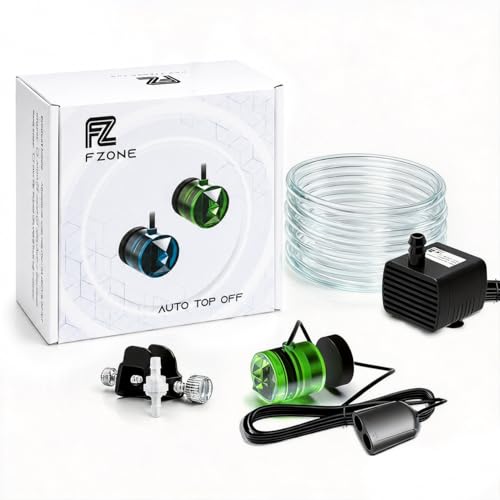 TOP CHOICEBest for dual-sensor controlFZONE ATO System, Auto Top Off with Dual Optical SensorsView on Amazon
- 3
 TOP CHOICEBest for a smart controllerFZONE Aquarium ATO System, QST2.0 Auto Top Off ControllerView on Amazon
- 4
 Best for compact sumpsAuto Top Off System Saltwater Aquarium, ATO Reef Fresh Tank Anti-OverflowView on Amazon
- 5
 Best for reef and fresh tanksMagTool Aquarium Auto Top Off System, Upgraded Duetto V2026View on Amazon
- 6
 Best for plug-and-play setupATET Auto Top Off System Saltwater Aquarium, ATO for Fresh and Reef TankView on Amazon
Our Top Picks
Quick Comparison
| Product | Best for | Key feature |
|---|---|---|
| Useek Auto Top Off System | Overall stability | QST real-time anti-overflow |
| FZONE ATO System (Dual Optical) | Precise level control | Dual optical sensors |
| FZONE QST2.0 ATO | Smart controller fans | Precise QST2.0 controller |
| ATO System with Compact Probe | Compact sumps | Sealed sensor, auto shutoff |
| MagTool Duetto V2026 | Mixed reef and fresh tanks | Upgraded dual optical sensor |
| ATET ATO System | Plug-and-play setup | 1mm precision sensor |
Useek Auto Top Off System Saltwater Aquarium
Useek Auto Top Off System Saltwater Aquarium, Water ATO for Reef Fresh Tank | Stable Water Levels & Salinity, QST Real-Time Anti-Overflow, 1mm Precision Sensing, Easy Setup, 2-Year Warranty, Blue
Best for: Overall stability
This suits reefers who want a single, well-documented system with anti-overflow built in and a two-year warranty listed.
Pros:
- QST real-time anti-overflow protection
- 1mm precision sensing for tight level control
Cons:
- Setup takes more care than true plug-and-play units
FZONE ATO System, Auto Top Off with Dual Optical Sensors
FZONE ATO System, Auto Top Off with Dual Optical Sensors for Aquarium Green | Dual optical sensor ATO system for reef and freshwater tanks, with precise water level control and stable operation
Best for: Precise level control
Aimed at owners who want redundancy between two sensing points in a sump with a stable evaporation rate.
Pros:
- Dual optical sensors for layered level checks
- Works across reef and freshwater tanks
Cons:
- Sensor placement needs careful positioning
FZONE Aquarium ATO System, QST2.0 Auto Top Off Controller
FZONE Aquarium ATO System, QST2.0 Auto Top Off Controller for Tanks | Smart ATO system with precise controller for saltwater and freshwater aquariums, maintaining stable water levels
Best for: Smart controller fans
A fit for reefers who prefer a dedicated controller with fine-tuned level management over a basic float setup.
Pros:
- Dedicated controller maintains steady water levels
- Covers both saltwater and freshwater tanks
Cons:
- Controller settings take time to dial in
Auto Top Off System Saltwater Aquarium, ATO Reef Fresh Tank Anti-Overflow
Auto Top Off System Saltwater Aquarium, ATO Reef Fresh Tank Anti-Overflow | compact probe, sealed sensor, flood prevention, long pump life, strong magnet, auto shutoff, freshwater, 2-year warranty
Best for: Compact sumps
Works well for nano and small reef sumps where a slim probe and a sealed sensor matter more than extra sensing points.
Pros:
- Compact probe and sealed sensor
- Auto shutoff for flood prevention
Cons:
- Fewer sensing points than dual-sensor designs
MagTool Aquarium Auto Top Off System, Upgraded Duetto V2026
MagTool Aquarium Auto Top Off System, Upgraded Version Aquarium ATO with Dual Optical Sensor for Both Reef and Fresh Tanks(Duetto V2026)
Best for: Mixed reef and fresh tanks
Suited to hobbyists running both saltwater and freshwater systems who want one controller type across tanks.
Pros:
- Upgraded dual optical sensor design
- Usable on both reef and fresh tanks
Cons:
- Brand support depth varies by region
ATET Auto Top Off System Saltwater Aquarium, ATO for Fresh and Reef Tank
ATET Auto Top Off System Saltwater Aquarium, ATO for Fresh & Reef Tank | Maintain stable salinity & water level, QST Anti-Overflow, Dual Optical Sensor, 1mm Precision Sensor, Plug & Play, Purple
Best for: Plug-and-play setup
Aimed at beginners and busy reefers who want a quick install with a 1mm precision sensor and anti-overflow protection.
Pros:
- Plug-and-play installation
- QST anti-overflow and dual optical sensing
Cons:
- Fewer advanced controller options than premium units
Buying Guide
Sensing Method
Optical and float sensors behave differently under salt creep and debris. Dual-sensor designs add a second check point, which many reefers prefer for sump safety.
Anti-Overflow Protection
Look for systems that cut the pump when water reaches a set high level. This protects against a stuck float or a failed sensor, which is the usual cause of sump flooding.
Sump Fit and Probe Size
Measure sump depth and sensor clearance before buying. Compact probes suit nano sumps, while larger reservoirs can accept longer sensing assemblies.
FAQ
Do I need a dual optical sensor ATO system for a reef tank?
A dual optical sensor setup is useful because it adds a backup layer, so a single sensor fault is less likely to cause a dry sump or an overflow. Many reef keepers find the extra redundancy worth it, though a well-installed single-sensor system can also work well. Your tolerance for risk and how often you can check your tank should guide the decision.
Can an ATO system be used in a freshwater tank as well?
Several of the systems in this roundup are listed for both saltwater and freshwater aquariums, since the top-off principle is the same. Freshwater tanks typically need only pure water added, while reef tanks should use reverse osmosis or deionized water to keep salinity stable. Check the listing and your own setup before assuming a system fits your specific tank.
Why does an ATO system need a reservoir?
The reservoir holds the water that the ATO pumps into the sump, and it is usually filled with RO/DI water rather than tap water. Keeping the reservoir topped up and clean prevents contamination and helps maintain consistent salinity. It also gives you a visual check on how much water you are adding each day.
How often should I inspect an ATO system?
Most reef keepers look over their ATO at least a few times a week, checking the reservoir level, the sensor position, and the pump output. Inspecting sensors for salt creep or algae buildup helps keep readings accurate. A quick check after any water change or maintenance session is also a good habit.
What happens if the ATO pump fails?
If the pump fails and the sensor does not register the problem, the sump level can drop until it runs low, which is why many systems include an auto shutoff or flood-prevention feature. Having an anti-overflow or low-water safeguard in place reduces the risk of damage to pumps and heaters. Regular checks and a backup alarm or sensor are good insurance against both overflows and dry runs.
Is professional installation required for an ATO system?
Most ATO systems are designed for do-it-yourself setup and include mounting hardware and clear instructions. Basic electrical safety is important, so plug the controller into a GFCI-protected outlet and keep cords away from water. If you are unsure about wiring or sump placement, an experienced aquarist or local fish store can help.
Conclusion
For most reef keepers who want a straightforward, well-rounded system, the top-rated overall pick is a strong starting point, especially for those newer to automatic top-off. Tanks with more demanding stability needs or a preference for redundancy will likely be better served by the dual-sensor options. Those who run both reef and freshwater setups may find the systems listed for both to be the most flexible choice.
Whichever option you choose, match the sensor type, probe size and sump fit to your own equipment, and keep a regular inspection routine. A reliable ATO system protects salinity and water levels, but it works best when paired with routine checks and a clean, well-maintained reservoir.
Related reading
- Aquarium Sump Auto Top Off Designs: 6 Layouts Compared for Reef Tanks
- Aquarium Auto Top Off Kit: How to Set Up and Calibrate One for Your Reef
- 7 Best Auto Top Offs for Aquarium Picks for Reef Tanks (2026)
- 6 Best DIY Gravity Auto Top Off Aquarium Builds for Reef Tanks (2026)
About Emily Parker
Emily Parker is part of our editorial team and reviews and edits our reef & saltwater aquariums guides, checking product details against manufacturer specifications and owner feedback.
About the author
Emily Parker writes reviews and buying guides for My Reef Aquarium.