Salinity in Reef Tank: 5 Best Refractometers and Hydrometers Compared (2026)
Learn how to choose the best salinity in reef tank test tools. We compare five refractometers and hydrometers for accurate, stable readings.
 By Caleb Morgan
Updated November 20, 2026
 By Caleb Morgan
Updated November 2026
Keeping salinity in reef tank water stable is one of the most important jobs a reefer has, because even small drift can stress corals, fish and invertebrates. The right tester makes that job far easier. This guide compares five salinity testers, covering refractometers and glass hydrometers, based on listing details, brand reputation and common owner feedback. Selection criteria include measurement scale, temperature handling, ease of calibration and suitability for marine water.
Our top picks at a glance
- 1TOP CHOICEBest overallHallocool Salinity Refractometer for Aquarium Seawater Marine FishkeepingView on Amazon
- 2
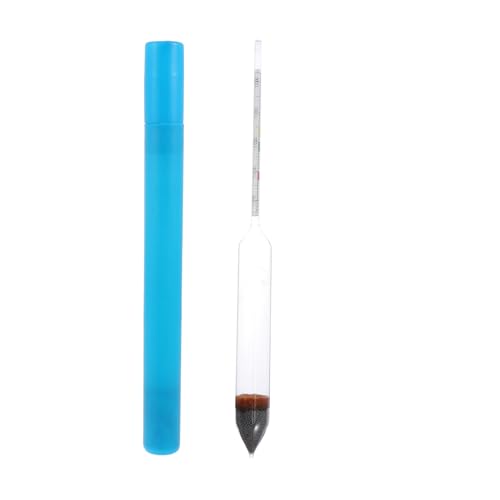 TOP CHOICEBest for budget testingGlass Aquarium Salinity Hydrometer for Sea Water Density TestView on Amazon
- 3
 TOP CHOICEBest for simple readingSunGrow Measure Salinity of Water with Aquarium RefractometerView on Amazon
- 4
 Best for freshwater and saltwater checkshygger Salinity Tester Transparent Acrylic Aquarium HydrometerView on Amazon
- 5
 Best for a built-in thermometerAnkexin Glass Aquarium Hydrometer with Built-in ThermometerView on Amazon
Our Top Picks
| Product | Best for | Key feature |
|---|---|---|
| Hallocool Salinity Refractometer | Frequent, precise checks | Automatic temperature compensation |
| Glass Aquarium Salinity Hydrometer | Low-cost routine testing | Floating manual design |
| SunGrow Aquarium Refractometer | Beginners | Easy-to-read scale |
| hygger Salinity Tester | Mixed freshwater and saltwater tanks | Acrylic hydrometer body |
| Ankexin Glass Aquarium Hydrometer | Tanks needing temperature checks | Built-in thermometer |
Hallocool Salinity Refractometer for Aquarium Seawater Marine Fishkeeping
Hallocool Salinity Refractometer for Aquarium Seawater Marine Fishkeeping | Salinity Tester 0-100PPT & 1.000-1.070 Salinity Hydrometer Slatwater Refractometer with Automatic Temperature Compensation
Best for: precise, frequent salinity checks in marine tanks.
This suits reefers who want a dedicated refractometer covering both specific gravity and PPT ranges, with automatic temperature compensation.
Pros
- Covers both 0–100 PPT and 1.000–1.070 specific gravity scales
- Automatic temperature compensation
Cons
- Requires calibration with a reference solution
Glass Aquarium Salinity Hydrometer for Sea Water Density Test
Glass Aquarium Salinity Hydrometer for Sea Water Density Test | Floating Manual Salimeter for Fish Tank Pond Aquaculture, High Precision Automatic Temperature Solution Measurement Tool
Best for: budget-minded routine testing.
A good fit for hobbyists who prefer a simple floating tool and do not need digital-level precision.
Pros
- Simple floating design with no batteries
- Includes automatic temperature solution measurement
Cons
- Glass is fragile and reading requires a steady eye
SunGrow Measure Salinity of Water with Aquarium Refractometer
SunGrow Measure Salinity of Water with Aquarium Refractometer, Remarkable Accuracy, Easy Reading
Best for: beginners who want an easy-to-read scale.
Useful for newer reefers setting up a first tank and learning how salinity moves between water changes.
Pros
- Straightforward optical reading
- Compact and easy to store
Cons
- Needs regular calibration against a known standard
hygger Salinity Tester Transparent Acrylic Aquarium Hydrometer
hygger Salinity Tester, Transparent Acrylic Aquarium Hydrometer Sea Specific Gravity Test Salinity Meter for Fish Tank Pond Water Saltwater Freshwater, Accurate Automatic Hydrometer
Best for: keeping freshwater and saltwater testing in one kit.
Owners with multiple tanks may appreciate a hydrometer that handles both water types. A related read: Magnesium Level in Reef Tank: 5 Best Magnesium Supplements Compared (2026).
Pros
- Acrylic body is sturdier than glass
- Works for both freshwater and saltwater
Cons
- Reading accuracy depends on careful water temperature control
Ankexin Glass Aquarium Hydrometer with Built-in Thermometer
Ankexin Glass Aquarium Hydrometer with Built-in Thermometer Marine Floating Salt Water Salinity Tester 1.000-1.060 7.87in
Best for: checking salinity and temperature together.
Helpful for reefers who want one tool to confirm both values during a water change.
Pros
- Built-in thermometer reduces extra gear
- Covers the 1.000–1.060 specific gravity range
Cons
- Glass construction calls for careful handling
Buying Guide
Refractometer or hydrometer
Refractometers read light refraction and are generally favored for precise marine work. Hydrometers float and rely on specific gravity, which is simpler but more sensitive to temperature.
Measurement scale
Look for a tester that reads specific gravity (around 1.020–1.026 for reef tanks) or PPT (roughly 32–35). Make sure the scale covers your target range.
Temperature compensation
Readings shift with temperature. Automatic compensation or a built-in thermometer helps keep values consistent across the day.
Calibration and upkeep
Plan to calibrate with a reference solution, and rinse the tool with fresh water after use to protect the optics or glass.
Good picks for this: Hallocool Salinity Refractometer, Ankexin Glass Aquarium Hydrometer
FAQ
What salinity should a reef tank be?
Most reef keepers aim for a specific gravity around 1.025 at 77°F, roughly 35 PPT. Check your livestock’s needs before adjusting.
How often should I test salinity in reef tank water?
Testing a few times a week is common, plus before and after water changes. Frequent checks help catch evaporation-driven rises early.
Related reading
- Reef Tank Salinity Level: How to Set and Hold the Right Number
- What Is a Protein Skimmer in a Fish Tank? How It Works for Reef Tanks
- What Is a Protein Skimmer Used For in a Reef Tank? Uses and Benefits
About Caleb Morgan
Caleb Morgan is part of our editorial team and reviews and edits our reef & saltwater aquariums guides, checking product details against manufacturer specifications and owner feedback.
About the author
Caleb Morgan writes reviews and buying guides for My Reef Aquarium.