5 Best Reef Tank Cleanup Crew Picks for a Healthy Reef (2026)
Compare 5 reef tank cleanup crew options by fit, specs and pros and cons, plus a buying guide to help you choose snails, shrimp and stars that stay reef-safe.
 By Caleb Morgan
Updated November 21, 2026
 By Caleb Morgan
Updated November 2026
A reef tank cleanup crew is a group of invertebrates such as snails, hermit crabs, shrimp and sea stars that graze on algae, pick at detritus and keep surfaces cleaner between maintenance sessions. Choosing the right mix matters because some animals are reef-safe grazers while others will nip corals, eat ornamental invertebrates or overpopulate and crash your water quality. The picks below were selected by comparing listed specifications, brand reputation and the patterns owners commonly report, with an eye toward tank size, reef safety and how well each group fits a stable system.
Our top picks at a glance
- 1TOP CHOICEBest overallClean Up Crew Pack Live Coral Reef Tank for Saltwater Aquarium AstreaView on Amazon
- 2
 TOP CHOICEBest for nano tanksAstrea Turbo Snails – Live Saltwater Invertebrates, Clean Up Crew, LivView on Amazon
- 3
 TOP CHOICEBest for algae control on glassMarine Aquarium Live Sea Stars Cleanup Crew Reef Coral SafeView on Amazon
- 4
 Best for sand and rock surfacesTruBlu Supply 7 Live Asterina Harelquin Starfish Clean Up Crew InvertView on Amazon
- 5
 Best for learning the basicsLIMPET HANDBOOK: Everything You Need to Know About Marine Invertebrate CareView on Amazon
Our Top Picks
Quick Comparison
| Product | Best for | Key feature |
|---|---|---|
| Clean Up Crew Pack Live Coral Reef Tank (22 animals) | Mixed cleanup on tanks up to 50 gallons | Snails, hermit crabs and shrimp in one pack |
| Astrea Turbo Snails (packs of 10 to 100) | Nano tanks and scalable stocking | Efficient algae grazers in multiple pack sizes |
| Marine Aquarium Live Sea Stars Cleanup Crew | Targeted grazing on glass and rock | Sea stars marketed as coral safe |
| TruBlu Supply 7 Live Asterina Harlequin Starfish | Sand and rock surface cleanup | Small asterina stars in a set of seven |
| Limpet Handbook: Marine Invertebrate Care | Owners who want a reference before buying | Guidance on reef-safe requirements and stocking |
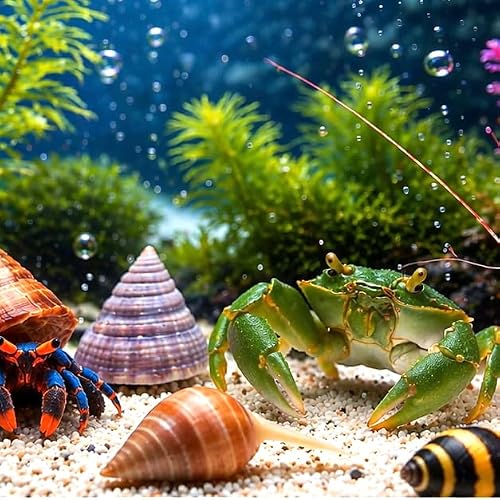
Clean Up Crew Pack Live Coral Reef Tank for Saltwater Aquarium Astrea Trochus Nassarius Cerith Snails Hermit Crab Peppermint Shrimp Combo, for Tanks up to 50 Gallons (22 Animals) Marine Invertebrates
Clean Up Crew Pack Live Coral Reef Tank for Saltwater Aquarium Astrea Trochus Nassarius Cerith Snails Hermit Crab Peppermint Shrimp Combo, for Tanks up to 50 Gallons (22 Animals) Marine Invertebrates
Best for: Hobbyists who want a single starter order covering several cleanup roles.
This combo suits someone setting up a new reef or restocking a mid-sized tank who wants snails, a hermit crab and peppermint shrimp covered in one purchase. It is a sensible way to see how different invertebrates behave before expanding.
Key specs
- Listed for tanks up to 50 gallons
- 22 animals in the combo
- Includes Astrea, Trochus, Nassarius and Cerith snails, a hermit crab and peppermint shrimp
Pros
- Covers several grazing niches in one order
- Good starting count for a 50-gallon system
- Gives variety so grazing is spread across surfaces
Cons
- Hermit crabs can take shells and may disturb sessile life if overstocked
- Some owners report losses in the first weeks, so acclimation matters
Bottom line: The best all-in-one option for a mid-sized reef that needs broad cleanup coverage.
View on AmazonAstrea Turbo Snails – Live Saltwater Invertebrates, Clean Up Crew, Livestock, Reef, Marine Turbo/Astrea/Snails (Packs of 10, 25, 50, 100)
Astrea Turbo Snails – Live Saltwater Invertebrates, Clean Up Crew, Livestock,Reef, Marine Turbo/Astrea/Snails (Packs of 10, 25, 50, 100) (10)
Best for: Nano tanks and owners who want to scale the count precisely.
Astrea turbo snails are a common grazer for algae on rock and glass. Buying in a pack of 10 makes sense for a small reef, while larger packs suit bigger systems.
Key specs
- Pack sizes listed: 10, 25, 50 and 100
- Marine snail for algae grazing
Pros
- Flexible pack sizes for different tank volumes
- Widely kept and generally reef-safe
- Effective on film algae and diatoms
Cons
- Can flip over and die if they fall on their backs
- Do not clear hair algae or cyano well on their own
Bottom line: A good default grazer for nano and mid-sized reefs; start with the smaller pack.
View on AmazonMarine Aquarium Live Sea Stars Cleanup Crew Reef Coral Safe
Marine Aquarium Live Sea Stars Cleanup Crew Reef Coral Safe
Best for: Owners who want stars to work glass and rock without a long list of animals.
Sea stars in cleanup crews are usually sold for scavenging and light grazing. Owners often prefer a small number on a stable tank, because stars can be sensitive to shipping and water changes.
Key specs
- Marketed as a live cleanup crew, reef coral safe
Pros
- Grazes film and detritus on glass and rock
- Visually distinctive addition to the tank
- Pairs well with snails for broader coverage
Cons
- Sensitive to acclimation and can decline after shipping
- Some species can be predatory toward small invertebrates
Bottom line: Worth considering for a mature tank with stable parameters and room for careful acclimation.
View on AmazonTruBlu Supply 7 Live Asterina Harlequin Starfish Clean Up Crew Invert Marine Coral Reef (TBSLSP1050)
TruBlu Supply 7 Live Asterina Harelquin Starfish Clean Up Crew Invert Marine Coral Reef(TBSLSP1050)
Best for: Surface cleanup on sand and rock in a reef with stable parameters.
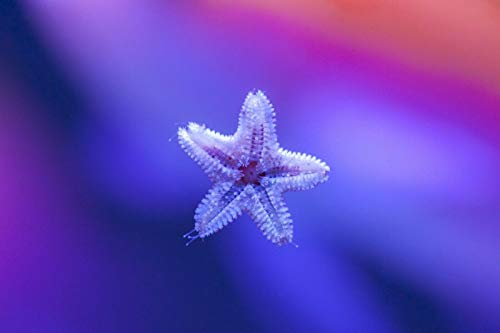
Asterina stars are small and tend to work across the sand bed and rock surfaces. A set of seven suits a moderate system where you want to spread grazing rather than rely on a single animal.
Key specs
- Set of seven live asterina starfish
- Listed for marine reef use
Pros
- Small size fits crowded rockwork
- Grazes film and micro-detritus on sand and rock
- Set of seven gives several animals at once
Cons
- Susceptible to shipping stress and slow to settle in some owners’ tanks
- Can be lost to predators such as some wrasses and puffers
Bottom line: A useful pick for sand-bed and rock cleanup once your tank is mature.
View on AmazonLIMPET HANDBOOK: Everything You Need to Know About Marine Invertebrate Care
LIMPET HANDBOOK: Everything You Need to Know About Marine Invertebrate Care — reef-safe tank requirements, stable parameters and flow, algae feeding, … and responsible cleanup-crew management
Best for: Hobbyists who want to plan their cleanup crew before buying livestock.
This is a reference book rather than livestock. It covers reef-safe tank requirements, stable parameters and flow, algae feeding and responsible cleanup-crew management, which makes it a useful companion to any purchase.
Key specs
- Print or digital reference format for marine invertebrates
- Covers parameters, flow and algae feeding
Pros
- Helps match animals to tank conditions
- Explains stocking limits and overpopulation risks
- Useful before buying any of the livestock above
Cons
- Does not add cleaning power to the tank by itself
- Details may vary by species, so check current sources
Bottom line: Best paired with a livestock purchase, especially for newer reef keepers.
View on AmazonBuying Guide
Tank size and stocking limits
Match the number of animals to your system volume. Snails and hermit crabs are often sold in counts that work for 20 to 50 gallons, but a nano tank can be overwhelmed quickly. Start with fewer animals and add more after two to four weeks of stable readings.
Good picks for this: Astrea Turbo Snails, Clean Up Crew Pack Live Coral Reef Tank
Reef safety
Check each animal against your corals and clams. Some hermit crabs and certain sea stars can harm sessile invertebrates, while most common snails are considered reef-safe. Confirm the species on the listing before ordering.
Good picks for this: Astrea Turbo Snails, Limpet Handbook: Marine Invertebrate Care
Target algae and surfaces
Different animals work different surfaces. Snails tend to graze glass and rock, while asterina stars work sand and micro-detritus. Decide whether your main problem is film algae, hair algae or detritus, then choose accordingly.
Good picks for this: TruBlu Supply 7 Live Asterina Harlequin Starfish, Marine Aquarium Live Sea Stars Cleanup Crew
Acclimation and shipping condition
Live invertebrates arrive stressed. Drip acclimate over 30 to 60 minutes where practical, and check for dead animals or shells before adding them. Many owners report that stars and some shrimp are the most vulnerable to shipping stress.
Good picks for this: Marine Aquarium Live Sea Stars Cleanup Crew, Clean Up Crew Pack Live Coral Reef Tank
Pack size and scalability
Buying in packs of 10, 25 or 50 lets you start small and add animals as your algae load becomes clear. Overstocking snails can lead to die-offs when food runs out, so scale slowly.
Good picks for this: Astrea Turbo Snails, TruBlu Supply 7 Live Asterina Harlequin Starfish
Predator and compatibility risks
Some fish, including certain wrasses, puffers and triggers, may eat invertebrates. Review your fish list before adding a cleanup crew, and consider the animals’ size and shell hardness.
Good picks for this: Limpet Handbook: Marine Invertebrate Care, TruBlu Supply 7 Live Asterina Harlequin Starfish
Learning and planning
A reference guide helps you stock responsibly. Read about parameters, flow and feeding before buying, so the animals you add have a realistic chance of thriving.
Good picks for this: Limpet Handbook: Marine Invertebrate Care, Clean Up Crew Pack Live Coral Reef Tank
FAQ
How many cleanup crew animals do I need for a reef tank?
There is no universal number. Many hobbyists start with a modest group sized to the tank volume, then add animals gradually while watching algae levels and water readings. Overstocking is a common cause of die-offs.
Are snails reef safe?
Common marine snails such as Astrea and Trochus are generally considered reef safe, but any animal can misbehave under stress or hunger. Watch new additions closely for the first few weeks.
Do hermit crabs eat corals?
Some hermit crabs will pick at soft corals or take shells from snails. Choose species labeled reef safe and feed them to reduce scavenging on sessile animals.
Why did my cleanup crew die after I added them?
Shipping stress, rapid temperature or salinity changes, and poor acclimation are common reasons. Check your parameters and consult an experienced aquarist or a marine veterinarian if losses continue.
Can a cleanup crew replace regular maintenance?
No. Cleanup animals support maintenance but do not replace water changes, skimming, filtration or testing. Nutrient imbalances must be fixed at the source.
How often should I add new cleanup animals?
Add in small batches and wait a few weeks between additions so you can see how the tank responds. Monitor nitrate, phosphate and oxygen levels during each step.
Conclusion
For a balanced starting point, the Clean Up Crew Pack suits a mid-sized reef that needs broad coverage. Astrea Turbo Snails are a dependable choice for nano tanks and scalable stocking. Sea stars and asterina starfish fit owners who want targeted surface cleanup on a mature system. The Limpet Handbook is a practical addition whichever livestock you choose, because stocking decisions depend on your specific tank conditions.
Sources
- Background on marine ecosystems, invertebrate biology and reef habitats (noaa.gov)
- Water chemistry and nutrient fundamentals relevant to marine systems (usgs.gov)
- Research summaries on coral reef organisms and marine invertebrate ecology (nsf.gov)
Related reading
- 6 Best Snails for Reef Tank Cleanup and Algae Control (2026)
- 3 Best Clean Up Crews for Nano Reef Tank (2026)
- What Is a Protein Skimmer in a Fish Tank? How It Works for Reef Tanks
- What Is a Protein Skimmer Used For in a Reef Tank? Uses and Benefits
About Caleb Morgan
Caleb Morgan is part of our editorial team and reviews and edits our reef & saltwater aquariums guides, checking product details against manufacturer specifications and owner feedback.
About the author
Caleb Morgan writes reviews and buying guides for My Reef Aquarium.