Top 3 Neptune Auto Top Off Systems Compared for Reef Tanks
Compare the best neptune auto top off options for reef tanks. See our top 3 picks, key features, pros, cons and a buying guide to match your setup.
 By Caleb Morgan
Updated November 9, 2026
 By Caleb Morgan
Updated November 2026
Shopping for a neptune auto top off system usually comes down to one problem: evaporation drops your reef tank’s water level every day, and topping it off by hand is easy to forget or get wrong. A good auto top off keeps the water level steady, reduces the swings in salinity that come from manual top-offs with fresh water, and protects your livestock and equipment from a low-water event. The picks below were chosen by comparing manufacturer specifications, brand reputation, and the patterns owners commonly report about sensor reliability, pump life, and installation. We did not bench-test these units ourselves, so treat the specs as what the makers and listings state.
Our top picks at a glance
- 1TOP CHOICEBest overallAuto Top Off System Saltwater Aquarium, ATO Reef Fresh Tank Anti-OverflowView on Amazon
- 2
 Best for dual-sensor safetyMagTool Auto Top Off System for Saltwater AquariumView on Amazon
- 3
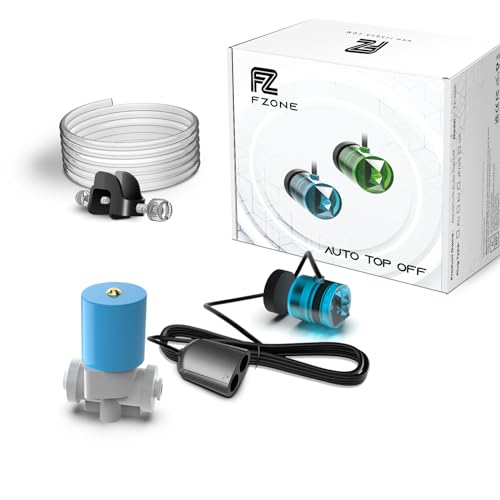 Best budget pick for nano tanksFZONE Nano ATO Auto Top Off with Solenoid for RO/DI, Saltwater & FreshwaterView on Amazon
Our Top Picks
Quick Comparison
| Product | Best for | Key feature |
|---|---|---|
| Auto Top Off System Saltwater Aquarium, ATO Reef Fresh Tank Anti-Overflow | Most reef keepers who want a compact, all-round system | Compact probe with sealed sensor and flood prevention |
| MagTool Auto Top Off System for Saltwater Aquarium | Reefers who want redundant level detection | Dual optical sensor for reef and fresh tanks |
| FZONE Nano ATO Auto Top Off with Solenoid for RO/DI | Nano tanks and RO/DI-fed setups | Solenoid valve with automatic water level control |
Auto Top Off System Saltwater Aquarium, ATO Reef Fresh Tank Anti-Overflow
Auto Top Off System Saltwater Aquarium, ATO Reef Fresh Tank Anti-Overflow | compact probe, sealed sensor, flood prevention, long pump life, strong magnet, auto shutoff, freshwater, 2-year warranty
Best for: Overall reliability and a compact, easy-to-hide setup
This is a good fit for reefers who want a straightforward system that works with saltwater and freshwater tanks alike. Its compact probe design suits tanks where space behind the sump or in the cabinet is limited, and the anti-overflow feature is the main reason many hobbyists choose a system like this over a simple float.
Key specs
- Compact sensor probe
- Sealed sensor housing
- Strong magnetic mount
- Auto shutoff for flood prevention
- Compatible with saltwater and freshwater aquariums
- 2-year warranty as listed
Pros
- Compact probe fits tight sumps and cabinets
- Sealed sensor is designed to resist corrosion from salt creep
- Flood prevention and auto shutoff add a safety margin
Cons
- A single sensor means no backup if it fails or gets fouled
- Owners often recommend a separate leak sensor on the sump for extra peace of mind
Bottom line: A strong first choice for most reef tanks of moderate size, especially if you want a compact, low-fuss setup.
View on AmazonMagTool Auto Top Off System for Saltwater Aquarium
MagTool Auto Top Off System for Saltwater Aquarium, ATO Aquarium Auto Top Off with Dual Optical Sensor for Reef & Fresh Tanks -Blue
Best for: Reefers who want redundant level detection for added safety
This system is aimed at keepers who value a second line of protection. The dual optical sensor design means the pump is controlled by more than one reading, which many owners consider important on larger or heavily stocked systems where a missed top-off or a stuck sensor can cause real damage.
Key specs
- Dual optical sensor design
- Suitable for reef and fresh tanks
- Designed for automatic top-off of evaporated water
Pros
- Dual sensing adds redundancy
- Works across reef and freshwater setups
- Clear, simple concept for owners who like layered safety
Cons
- Setup and sensor placement take more care than a single probe
- Optical sensors need occasional cleaning to stay accurate
Bottom line: Best for reefers with larger tanks or heavy stocking who want an extra safety layer over a single-sensor system.
View on AmazonFZONE Nano ATO Auto Top Off with Solenoid for RO/DI, Saltwater & Freshwater
FZONE Nano ATO Auto Top Off with Solenoid for RO/DI, Saltwater & Freshwater | Automatic Water Level Control for Saltwater and Freshwater Aquariums, Ideal for RO/DI Systems and Nano Tanks
Best for: Nano tanks and RO/DI-fed setups on a budget
This is a solenoid-based system sized for nano tanks and for keepers who top off from an RO/DI reservoir. Because it is designed around a solenoid valve rather than a pump, it suits setups where a gravity or reservoir feed is already in place and a compact footprint matters.
Key specs
- Solenoid valve for RO/DI water
- Automatic water level control
- Suitable for saltwater and freshwater nano tanks
Pros
- Compact, well suited to nano tanks
- Solenoid design works well with RO/DI reservoirs
- Good budget pick for a first auto top off
Cons
- Requires a head-height reservoir or supply line set up correctly
- Owners often add a leak sensor and a backup float as a precaution
Bottom line: A practical choice for nano and RO/DI-fed tanks where a compact solenoid system fits the setup.
View on AmazonBuying Guide
Sensor Type and Redundancy
Auto top off systems use either a float, a conductive probe, or an optical sensor to detect water level. Floats are simple but can stick; probes can foul with salt creep; optical sensors avoid moving parts but need clean lenses. Many reefers consider a dual-sensor or dual-layer approach worth the extra effort on larger systems, since a single failure can cause a dry-out or flood.
Good picks for this: MagTool Auto Top Off System for Saltwater Aquarium, Auto Top Off System Saltwater Aquarium, ATO Reef Fresh Tank Anti-Overflow
Tank Size and Evaporation Rate
Match the system to how much water your tank loses per day. Evaporation depends on room humidity, temperature, surface agitation, and whether the tank is covered. A nano tank may lose only a small amount daily, while a larger reef can lose several gallons. Make sure the reservoir and pump or valve are sized to refill comfortably within a day.
Good picks for this: FZONE Nano ATO Auto Top Off with Solenoid for RO/DI, Saltwater & Freshwater
Water Source: RO/DI, Gravity or Pump Feed
The top-off water should be RO/DI or otherwise pure to avoid raising salinity or adding contaminants. Gravity-fed systems need the reservoir above the sump’s water line, while pump-fed systems can work from a lower container. Choose the feed method that matches your room layout and reservoir placement.
Good picks for this: FZONE Nano ATO Auto Top Off with Solenoid for RO/DI, Saltwater & Freshwater, Auto Top Off System Saltwater Aquarium, ATO Reef Fresh Tank Anti-Overflow
Safety Features and Overflow Protection
Look for auto shutoff, flood prevention, and a way to stop the pump if the reservoir runs dry or the sensor loses signal. Manufacturers often list these features on the box, but they should be verified during setup. Adding a standalone leak sensor on the sump floor is a common, inexpensive safeguard.
Good picks for this: Auto Top Off System Saltwater Aquarium, ATO Reef Fresh Tank Anti-Overflow, MagTool Auto Top Off System for Saltwater Aquarium
Mounting, Fit and Sump Layout
Measure the sump before buying. Probes and sensors need to sit in the right zone, away from return flow and bubbles, and the pump or solenoid must be reachable for maintenance. Compact probes suit tight sumps; dual-sensor setups need enough space to position both sensors accurately.
Good picks for this: Auto Top Off System Saltwater Aquarium, ATO Reef Fresh Tank Anti-Overflow, FZONE Nano ATO Auto Top Off with Solenoid for RO/DI, Saltwater & Freshwater
Durability and Corrosion Resistance
Salt creep and humid air are hard on electronics. Look for sealed sensor housings and marine-safe materials. Owners often report that sensors need periodic cleaning, and that pump or solenoid life depends on how clean the water source is and how often the reservoir is refilled with fresh RO/DI.
Good picks for this: Auto Top Off System Saltwater Aquarium, ATO Reef Fresh Tank Anti-Overflow, MagTool Auto Top Off System for Saltwater Aquarium
Care, Calibration and Maintenance
Every system needs periodic checks: cleaning the sensor, confirming the set point, testing the shutoff, and inspecting the reservoir for algae or contamination. Set the water level on the sensor so it sits above the return intake and below the overflow. Recheck after any change to the tank’s water level.
Good picks for this: MagTool Auto Top Off System for Saltwater Aquarium, FZONE Nano ATO Auto Top Off with Solenoid for RO/DI, Saltwater & Freshwater
FAQ
What does a neptune auto top off do?
A neptune auto top off system detects when the water in your sump or display tank drops below a set level and adds fresh water, usually RO/DI, to bring it back up. This keeps salinity stable and prevents the pump from running dry.
Should I use RO/DI water with an auto top off?
Yes. Most reef keepers use RO/DI water because it is free of dissolved minerals and contaminants. Adding tap water can raise nitrates, phosphate, and salinity over time.
How often should I clean the sensor?
Many owners check the sensor every one to two weeks and clean it when salt creep or algae builds up. The right schedule depends on your tank’s evaporation rate and the environment around it.
Do I still need a leak sensor?
A leak sensor is a useful extra layer of protection, since no auto top off is perfectly fail-safe. Placing one on the sump floor is a common recommendation among reefers.
Can an auto top off work in a nano tank?
Yes, compact solenoid-based systems are designed with nano tanks in mind. Check that the reservoir height and supply line suit your setup before installing.
How do I know the water level is set correctly?
Set the sensor so it shuts the pump off just before water reaches the overflow and triggers refill only when the level drops slightly. Test the shutoff by temporarily raising the setpoint and confirming the pump stops.
Is professional help needed for setup?
Most systems are DIY-friendly, but if you are working with mains power near water, consider asking a licensed electrician to check the outlet and grounding. Always follow the manufacturer’s electrical instructions.
Conclusion
For most reef tanks, the Auto Top Off System Saltwater Aquarium, ATO Reef Fresh Tank Anti-Overflow is a balanced first choice, with a compact probe and flood prevention. Reefers who want redundant level detection on a larger or heavily stocked system should look at the MagTool Auto Top Off System for Saltwater Aquarium. For nano tanks and RO/DI-fed setups, the FZONE Nano ATO Auto Top Off with Solenoid for RO/DI is a practical fit. Whichever you choose, pair it with a leak sensor and check the setup regularly.
Sources
- General guidance on water quality, contamination and safe handling of household water (epa.gov)
- Electrical and water-safety guidance for equipment near water (osha.gov)
- Standards and certifications for water treatment components and filtration systems (nsf.org)
Related reading
- Tunze Osmolator 3 Auto Top Off: Setup and Calibration Guide
- Tunze Auto Top Off: Setup, Calibration and Troubleshooting Guide (2026)
- Osmolator 3 Auto Top Off: Setup, Calibration and Fixes for Reef Tanks
- Magtool Auto Top Off: Setup, Calibration and Troubleshooting for Reef Tanks
About Caleb Morgan
Caleb Morgan is part of our editorial team and reviews and edits our reef & saltwater aquariums guides, checking product details against manufacturer specifications and owner feedback.
About the author
Caleb Morgan writes reviews and buying guides for My Reef Aquarium.