Algae Magnet Glass Cleaner (2026): Pros, Cons & Verdict
Reviewing the Carefree Fish Aquarium algae magnet glass cleaner with 4 scrapers: who it suits, key specs, pros and cons, and how it compares to Aqueon and Flipp
 By Caleb Morgan
Updated November 10, 2026
 By Caleb Morgan
Updated November 2026
If you keep a glass-walled aquarium and want to stop scraping algae by hand, an algae magnet glass cleaner is one of the simplest tools to add to your kit. The Carefree Fish Aquarium Super Powerful Magnetic Cleaner comes with four scraper heads and a floating design, which makes it a reasonable pick for hobbyists with standard glass tanks who want an inexpensive, straightforward option. It is less suited to reef keepers who need acrylic-safe or heavy-duty magnets for thicker panes, or to anyone with a tank wall thicker than the magnet can comfortably bridge. Read on for the specs, the trade-offs, and how it stacks up against two well-known alternatives.
Carefree Fish Aquarium Super Powerful Magnetic Cleaner with 4 Algae Scrapers for Glass Fish Tank Magnet Brush Floating S+(Plus)
Product Overview
The Carefree Fish Aquarium Super Powerful Magnetic Cleaner is a two-part magnetic glass cleaner. One half sits inside the tank and carries a scraper head against the glass; the other half sits outside and is dragged across the exterior surface. The magnetic coupling pulls the inner head along with the outer one, so you can clear film and algae from the viewing panes without reaching into the water. The product name also advertises floating capability, which is useful if the inner unit ends up in the water column or near the substrate and you need to retrieve it.
The package, as listed, includes four algae scraper heads. Owners of multi-panel aquariums often find this useful, because worn or dulled scrapers can be swapped rather than replaced as a whole unit. The overall design follows the common pattern of magnetic cleaners: a simple handle or grip on the outside, a sturdy magnet pair, and a replaceable scraping surface on the inside. It is aimed at general freshwater and marine glass tanks rather than specialized reef hardware.
It is worth setting expectations early. A magnetic glass cleaner handles soft film, diatoms, and green spot algae well. It does much less for hard, calcified coralline or tough brown algae that has bonded to the glass. For those, a dedicated razor scraper or a reef-specific tool is usually the better answer.
Key Features & Specifications
The table below lists only the characteristics that the product name and general category confirm. Check the manufacturer’s packaging or product page for exact magnet strength, maximum glass thickness, and dimensions before you buy, since these vary between listings and batches.
| Feature | Detail |
|---|---|
| Product type | Magnetic glass cleaner (two-part, inside and outside) |
| Included scraper heads | 4 |
| Float design | Yes (as stated in product name) |
| Intended use | Glass aquariums, fresh and saltwater |
| Magnet type | Magnetic coupling (strength not confirmed in this review) |
| Glass thickness compatibility | Check listing; magnetic cleaners are typically rated for specific pane thicknesses |
Pros & Cons
Pros
- Four scraper heads in one package, which gives you spares for multi-pane tanks.
- Float design makes it easier to recover the inner unit if it falls.
- Works on standard glass and is suited to general freshwater and saltwater use.
- No need to reach into the tank for routine film and algae removal on the viewing panes.
- Budget-friendly option within the magnetic cleaner category.
Cons
Performance Analysis
Performance for an algae magnet glass cleaner depends on three things: the strength of the magnetic coupling through your glass, the sharpness and condition of the scraper, and the type of growth you are removing. Because the magnet strength for this specific listing is not confirmed here, treat the performance notes below as based on the product’s category and typical owner feedback patterns rather than on measured results.
Owners of magnetic glass cleaners in general tend to report that the tool works well on soft film, diatoms, and thin green algae on standard glass. Where the magnetic pull is strong enough to hold both halves firmly together, the scraper glides and removes material in a few passes. Where the coupling is weaker, or the glass is thicker than the magnet is rated for, the inner unit can lose contact and leave streaks or miss patches. This is the most common complaint across the category, so check your pane thickness against the listing before purchase.
Scraper condition matters a great deal. Grit caught under the blade is the usual culprit for scratches, and it is a particular risk in sandy or sand-bed tanks where particles travel with the water. Rinse the inner head frequently, and keep the blade clean of debris. Swapping in a fresh head from the four included keeps the job consistent. For tanks where hard coralline or calcified growth is the main problem, expect to supplement the magnet with a manual razor scraper, which is a different tool category entirely.
Saltwater use is broadly compatible with the product category, but reef keepers should bear in mind that calcified coralline is tough and that magnetic tools struggle with it. Owners often report using magnetic cleaners for routine weekly film control and reserving a scraper for monthly deep cleaning.
Who Should Buy This Product?
This cleaner suits hobbyists with standard glass aquariums who want a low-effort way to keep viewing panes clear between water changes. It is a good fit for fish-only tanks, freshwater community setups, and beginner saltwater systems where soft film and green algae are the main concerns. Owners of multi-pane tanks may appreciate the four included heads, since they give you spares without buying a separate pack.
You should skip this product if your tank is acrylic, if your glass is very thick, or if your main problem is hard coralline in a reef. In those cases, a different magnetic cleaner rated for acrylic or a dedicated scraper will serve you better. If you are unsure about glass thickness, measure the pane before buying and compare it against the listing’s stated compatibility.
Buying Guide
Choosing an algae magnet glass cleaner comes down to a few practical checks. Start with the material: glass and acrylic require different blade choices, and using a glass-rated scraper on acrylic is the fastest way to create permanent marks. Next, measure your glass thickness and match it to the magnet’s rated range. Thicker glass weakens the magnetic coupling, so a stronger magnet or a different design may be needed. Third, consider the scraper type. Replaceable blades are more economical over time than a single fixed head, and a kit with spare heads, like this one, makes maintenance simpler.
Finally, think about your typical algae problem. Soft film and thin algae respond well to magnetic cleaners. Hard coralline and tough brown algae usually need a razor scraper. If you are weighing options, two well-known alternatives are worth a look:
- Aqueon Aquarium Algae Scraper, Fish Tank Magnetic Glass Cleaner for Glass/Acrylic, Medium – A widely recognized magnetic option marketed for both glass and acrylic in a medium size.
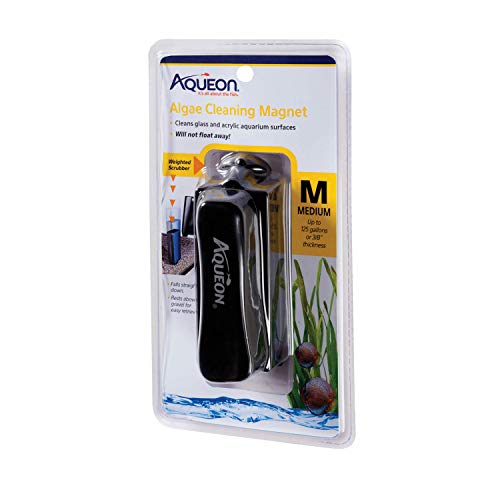
Aqueon Aquarium Algae Scraper, Fish Tank Magnetic Glass Cleaner for Glass/Acrylic, Medium
- Flipper Magnetic Aquarium Glass Cleaner – Floating Algae Scraper – A two-in-one design that is positioned for both saltwater and freshwater, aimed at medium tanks and described as suitable for reef use.

Standard. Flipper Magnetic Aquarium Glass Cleaner – Floating Algae Scraper | 2-in-1 fish tank scrubber, saltwater & freshwater reef safe, lifts hard water film & coralline, for medium tanks
For a wider comparison of magnetic options, see 6 Best Fish Tank Algae Cleaner Magnets for Glass Aquariums (2026) and Algae Scraper vs Magnet: Which Is Better for Your Reef Tank?. If you are considering the Flipper specifically, Flipper Aquarium Algae Magnet Cleaner Review: Is It Worth It? covers its strengths in more detail.
FAQ
Can an algae magnet glass cleaner be used on acrylic tanks?
Not every magnetic cleaner is safe for acrylic. Acrylic scratches more easily than glass, so check the listing for acrylic compatibility before use. If the product is rated for glass only, choose a model that specifically lists acrylic safety. Consult the manufacturer if you are unsure.
How thick a glass pane can a magnetic cleaner handle?
Magnetic cleaners are rated for specific glass thicknesses, and the coupling weakens as glass gets thicker. Measure your pane and compare it against the stated range. If your glass is at the upper end of the rating, expect a weaker hold and check the scraper more often.
Will it remove coralline algae?
Magnetic cleaners generally handle soft film and thin algae well but struggle with hard, calcified coralline. For coralline, a razor scraper or a dedicated reef tool is usually more effective. Many reef keepers use a magnet for weekly maintenance and a scraper for deeper cleaning.
Why does my magnetic cleaner leave streaks or scratches?
Streaks usually mean the inner head is losing contact with the glass, often because of weak magnetic coupling or a thick pane. Scratches are most often caused by grit trapped under the blade. Rinse the inner head often, and replace the scraper head when it wears or nicks.
How often should I clean the glass with a magnetic tool?
Most hobbyists clean viewing panes weekly, adjusting to how fast film builds in their tank. Heavily lit or nutrient-rich tanks may need more frequent passes. Keep the inner blade clean between sessions to avoid transferring grit.
Is the floating design useful?
Yes, if the inner unit falls into the water column or near the substrate. The float helps you locate and retrieve it without digging through the sand. It is not a substitute for careful handling, but it reduces the chance of losing the piece.
Can I use it in a saltwater reef tank?
Magnetic cleaners of this type are generally used in both fresh and saltwater tanks. Reef keepers should confirm that the scraper material is suitable for their setup and should avoid aggressive scraping near sensitive corals. Rinse the blade before each use to keep debris out of the water.
Do I need the four spare heads right away?
Not necessarily, but they are useful for keeping the scraper sharp over time. Rotate in a fresh head when the blade dulls, and store spares dry between uses so they stay effective.
Final Verdict
The Carefree Fish Aquarium Super Powerful Magnetic Cleaner is a practical choice for hobbyists with standard glass aquariums who want an easy way to keep viewing panes clear. The four included scraper heads and the floating design add useful value for everyday maintenance. It is not the right tool for acrylic tanks, very thick glass, or heavy calcified coralline, and buyers in those situations should look at a model rated for their setup or a dedicated scraper. Check the listing for magnet strength and glass compatibility before ordering, and keep the inner blade clean to avoid scratches.
View on AmazonRelated reading
About Caleb Morgan
Caleb Morgan is part of our editorial team and reviews and edits our reef & saltwater aquariums guides, checking product details against manufacturer specifications and owner feedback.
About the author
Caleb Morgan writes reviews and buying guides for My Reef Aquarium.